X-Plane
Embraer ERJ family ↗
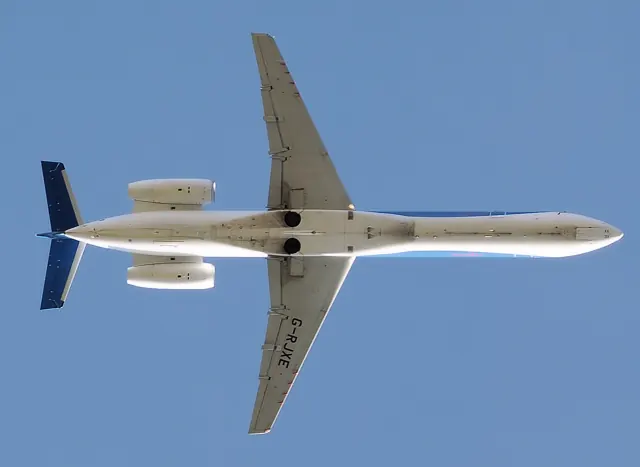
Embraer's regional-jet family, from the ERJ 135 to the longer ERJ 145.
1 implementations+ Compare
Explore the aircraft. Find your simulator. Follow the sources.
Embraer's regional-jet family, from the ERJ 135 to the longer ERJ 145.
A turbine-powered utility helicopter with a broad cabin and a long international service history.
A six-engine flying boat created for long-distance passenger travel over water.
A compact Japanese twin turboprop with a high wing and pressurised cabin.
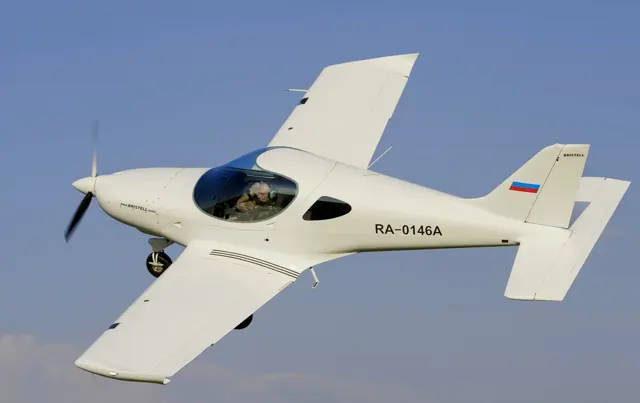
BRM Aero's two-seat B23, represented in MSFS by Airfoillabs.
A Canadian tandem-seat trainer developed after the Second World War.
A tandem two-seat sailplane designed for instruction and broader soaring use.
A small observation-helicopter family with a rounded cabin and compact rotor system.
A light tandem-seat taildragger built around the familiar braced high-wing layout.
A fixed-wing observation aircraft with a helicopter-like view from its glazed nose.
Piper's PA-31 utility twin, used in commuter, cargo and corporate transport.
A twin-turbine Huey descendant with a four-blade main rotor.
A four-bladed utility helicopter developed from the LongRanger lineage.
A utility-aircraft family whose stretched 207 branch trades compact proportions for more cabin space.
A two-seat composite kit aircraft developed from the Lancair 320.
A two-seat naval fighter with variable-sweep wings and a cockpit built around pilot and radar-intercept officer roles.
A 1920s flying boat with two engines arranged in tandem above the wing.
The four-engine Flying Fortress, a major American bomber of the Second World War.
The second-generation Harrier, designed around vectored thrust and short-field operation.
A compact rear-engined jet designed for short-haul regional airline work.
A tandem two-seat sailplane family used for training and cross-country soaring.
A single-engine turboprop workhorse for passenger services, freight and remote-area transport.
Regional flying built around a high wing, two turboprops and short sectors.
Tecnam's two-seat, low-wing Sierra, introduced in the early 2000s.
This is AirframeDB’s first release. More features and aircraft research are planned. Leave your email if you’d like occasional updates.