MSFS
Flight Design CTSL ↗
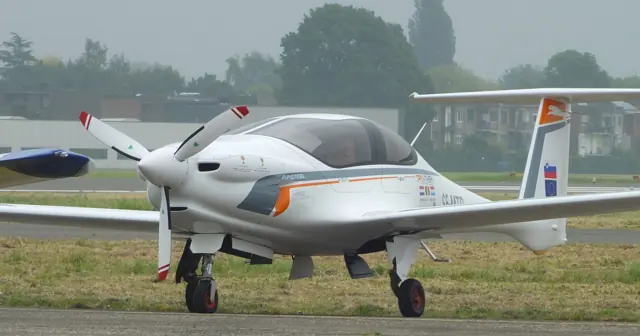
A two-seat composite light-aircraft family with a high wing and a compact enclosed cabin.
2 implementations+ Compare
Explore the aircraft. Find your simulator. Follow the sources.
A two-seat composite light-aircraft family with a high wing and a compact enclosed cabin.
A French two-seat aerobatic trainer with side-by-side seating and a distinctive curved wing outline.
A Canadian tandem-seat trainer developed after the Second World War.
A radial-engined light transport whose long career covered passengers, freight and military training.
A twin-aisle Boeing designed alongside the 757's generation of two-pilot flight decks.
A huge wooden flying-boat prototype that made one brief flight in 1947.
Pipistrel's streamlined four-seat composite-aircraft design.
A post-war Businessliner with a radial engine, cabin transport ambitions and tailwheel gear.
Airbus's first production aircraft, built around a twin-engine wide-body layout.
The Stationair utility family, combining a high wing with fixed landing gear.
A hybrid-electric regional-airliner concept represented in the simulator while the real programme develops.
A British utility twin built around short regional and practical transport work.
A 1920s transport family that developed from a single-engine airliner into a trimotor.
A tailwheel utility single built around a high wing and a substantial working cabin.
A small twin-engine amphibian that moved from business transport into military and utility service.
A tandem-seat jet trainer that also found a second life in civilian display and racing.
A Swedish reconnaissance and dive-bombing aircraft from the early 1940s.
Tecnam's two-seat, low-wing Sierra, introduced in the early 2000s.
A regional turboprop family whose short early versions and larger Q400 have different proportions and systems.
A modern composite twin with a roomy cabin and two wing-mounted piston engines.
Tecnam's four-seat high-wing single, built with metal and carbon-fibre components.
A tandem two-seat sailplane family used for training and cross-country soaring.
A light turbine helicopter whose land-based Scout and naval Wasp branches served different jobs.
A pressurised touring twin whose piston and turbine-conversion versions make a particularly interesting comparison.
This is AirframeDB’s first release. More features and aircraft research are planned. Leave your email if you’d like occasional updates.