X-Plane
Schleicher ASK 21 ↗
A tandem two-seat sailplane designed for instruction and broader soaring use.
2 implementations+ Compare
Explore the aircraft. Find your simulator. Follow the sources.
A tandem two-seat sailplane designed for instruction and broader soaring use.
A close-air-support aircraft with a straight wing, twin tail and two widely separated jet engines.
A four-seat high-wing single that spans generations of conventional instruments and glass cockpits.
An enclosed, two-seat autogyro with side-by-side seating and a pusher propeller.
A wartime fighter developed from the earlier Curtiss P-36.
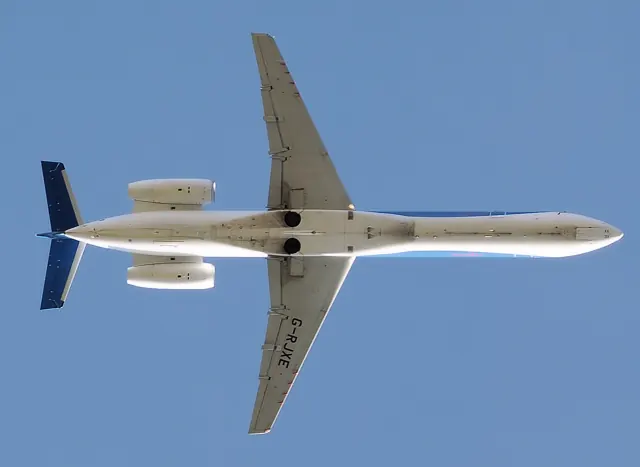
Embraer's regional-jet family, from the ERJ 135 to the longer ERJ 145.
A utility piston twin designed for commuter and specialist transport missions.
A box-shaped utility twin whose cabin and rear access are central to its design.
An all-metal sport and touring aircraft from Bayerische Flugzeugwerke.
A First World War trainer that became a familiar sight in the barnstorming era.
A compact two-seat light aircraft with a high wing and a wide range of development variants.
A light business jet with a swept wing, rear-mounted engines and an integrated flight deck.
An amphibious turboprop designed around scooping water and delivering it to fires.
A lightweight short-field aircraft with a specialised wing and tall, shock-absorbing landing gear.
SOCATA's touring-aircraft family, including the Tobago and Trinidad.
The purpose-built Ryan monoplane used by Charles Lindbergh for his 1927 solo Atlantic crossing.
A light turbine helicopter combining an Alouette II airframe with more powerful Alouette III components.
A compact twin-engine transport helicopter with retractable gear and a long development history.
A tandem two-seat sailplane family used for training and cross-country soaring.
A lightweight pusher family with an enclosed cabin and a high, braced wing.
A fixed-wing observation aircraft with a helicopter-like view from its glazed nose.
A corrugated-metal transport best known in its three-engine form.
A pioneering light helicopter whose bubble cabin and exposed structure became widely recognisable.
A pressurised twin turboprop with a canard, composite airframe and rear-facing propellers.
This is AirframeDB’s first release. More features and aircraft research are planned. Leave your email if you’d like occasional updates.