X-Plane
Epic E1000 ↗
A six-seat composite single turboprop with a pressurised cabin and retractable gear.
1 implementations+ Compare
Explore the aircraft. Find your simulator. Follow the sources.
A six-seat composite single turboprop with a pressurised cabin and retractable gear.
A carrier-capable multirole fighter, larger than the earlier Hornet from which it developed.
A two-seat composite light-aircraft family with a high wing and a compact enclosed cabin.
A low-wing piston family that spans simple trainers, touring aircraft and retractable-gear Arrows.
A light tandem-seat taildragger built around the familiar braced high-wing layout.
A twin-radial airliner that helped make practical passenger transport a regular business.
A shorter wide-body Airbus from the transition to two-pilot, electronic-instrument cockpits.
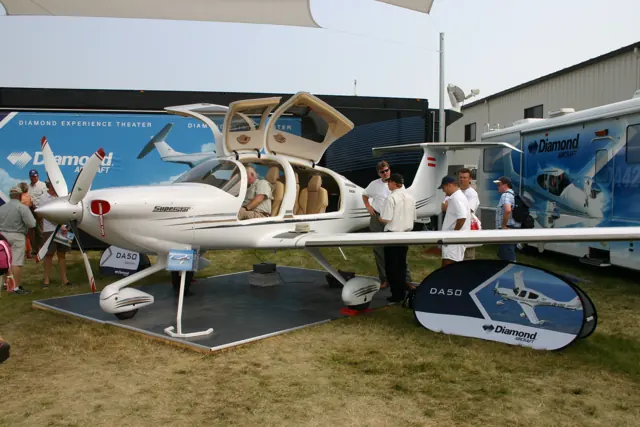
A five-seat composite single whose development led to the diesel DA50 RG.
A Brazilian light trainer with a high wing, tandem seats and a simple utility layout.
A small two-seat piston helicopter with a two-bladed main rotor.
Mooney's four-seat piston family, developed through many touring-aircraft variants.
A light turbine helicopter whose land-based Scout and naval Wasp branches served different jobs.
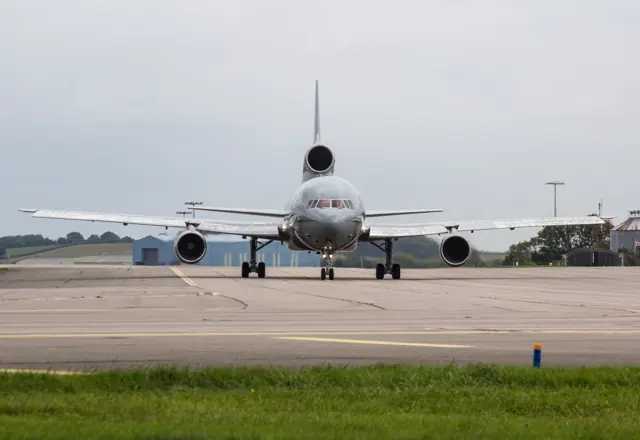
Lockheed's wide-body TriStar, with three RB211 engines and a distinctive tail intake.
A long-range twin designed around a new wide-body airframe and extensive composite construction.
A military liaison aircraft built around a high wing, tandem cabin and short-field utility work.
A DC-10-derived tanker that combined aerial refuelling with passenger and cargo transport.
A radial-engine trainer that also served in combat and civilian warbird roles.
A long-range twin whose programme emphasised composite construction and more electrically powered systems.
A small twin-engine amphibian that moved from business transport into military and utility service.
A high-wing utility aircraft known for short-field work and a broad choice of working configurations.
Tecnam's four-seat high-wing single, built with metal and carbon-fibre components.
A 1920s transport family that developed from a single-engine airliner into a trimotor.
A stretched development of the DC-9 with rear-mounted engines and a five-abreast cabin.
A side-by-side two-seat sailplane with a retractable powerplant for self-launching.
This is AirframeDB’s first release. More features and aircraft research are planned. Leave your email if you’d like occasional updates.