MSFS X-Plane
Tecnam P2006T ↗
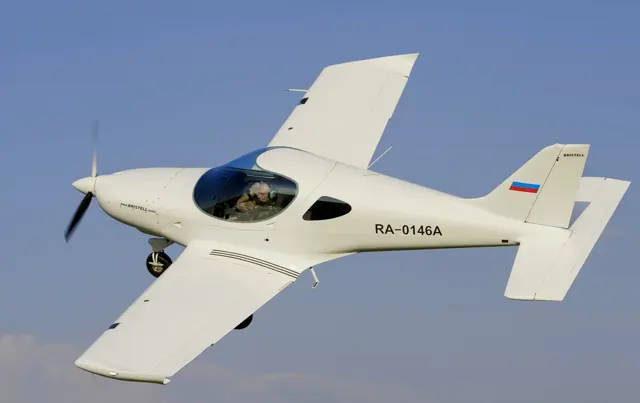
A compact Italian light twin with a shoulder wing and metal airframe.
2 implementations+ Compare
Explore the aircraft. Find your simulator. Follow the sources.
A compact Italian light twin with a shoulder wing and metal airframe.
A British utility twin built around short regional and practical transport work.
A DC-10-derived tanker that combined aerial refuelling with passenger and cargo transport.
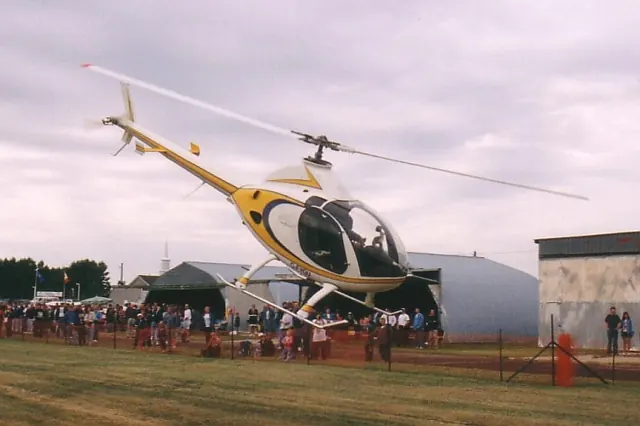
A modern two-seat piston helicopter designed around the training role.
A twin-turboprop utility aircraft developed by Reims Aviation with Cessna.
A compact racing aeroplane built around a large radial engine and very short fuselage.
RotorWay's two-seat kit-helicopter family, with piston and turbine simulator interpretations.
A twin-aisle Boeing designed alongside the 757's generation of two-pilot flight decks.
Cirrus's first type-certified aircraft, a composite piston single.
A wartime fighter developed from the earlier Curtiss P-36.
A retractable-gear touring single with an all-metal airframe and a long-lived enthusiast following.
A very large single-engine biplane designed for practical work from modest airfields.
A twin-engine utility helicopter with roots in the BK 117 and EC145 families.
A pressurised four-engine piston transport from the last major generation before the jet airliner.
A modern medium twin-engine helicopter developed as a successor to the Dauphin line.
A low-wing piston twin that carries the Beechcraft touring-aircraft lineage into two-engine flying.
A modern utility single whose family includes both tailwheel and nosewheel configurations.
A full-length double-deck airliner built for very high passenger capacity.
A four-bladed utility helicopter developed from the LongRanger lineage.
Regional flying built around a high wing, two turboprops and short sectors.
An enclosed, two-seat autogyro with side-by-side seating and a pusher propeller.
A military liaison aircraft built around a high wing, tandem cabin and short-field utility work.
BRM Aero's two-seat B23, represented in MSFS by Airfoillabs.
A cabin biplane with the lower wing placed ahead of the upper one.
This is AirframeDB’s first release. More features and aircraft research are planned. Leave your email if you’d like occasional updates.