MSFS
Boeing 787-10 Dreamliner ↗
A long-range twin whose programme emphasised composite construction and more electrically powered systems.
2 implementations+ Compare
Explore the aircraft. Find your simulator. Follow the sources.
A long-range twin whose programme emphasised composite construction and more electrically powered systems.
A cabin biplane with the lower wing placed ahead of the upper one.
A regional jet family with four small engines, a high wing and a large split tail airbrake.
A 1920s flying boat with two engines arranged in tandem above the wing.
A compact Japanese twin turboprop with a high wing and pressurised cabin.
A compact twin-engine helicopter widely used for medical, police and training work.
An enlarged Velocity kit aircraft with a canard and rear-mounted pusher propeller.
A pressurised four-engine piston transport from the last major generation before the jet airliner.
A two-seat naval fighter with variable-sweep wings and a cockpit built around pilot and radar-intercept officer roles.
A twin-turboprop utility aircraft developed by Reims Aviation with Cessna.
A four-seat, pressurised kit aircraft with a composite airframe and retractable landing gear.
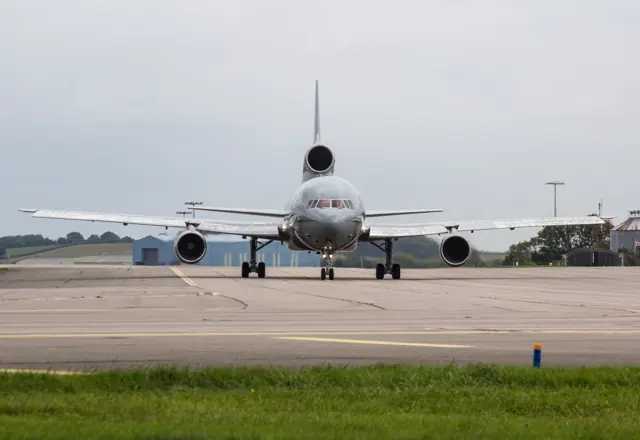
Lockheed's wide-body TriStar, with three RB211 engines and a distinctive tail intake.
A compact aerobatic biplane family with both single-seat and tandem-seat branches.
An enclosed-cabin development of the Bell 47, shaped for passenger and executive transport.
A heavy-lift helicopter built around an open frame and an external working load.
Ted Smith's piston twin, later produced by Piper as the Aerostar.
A utility-aircraft family whose stretched 207 branch trades compact proportions for more cabin space.
A four-bladed utility helicopter developed from the LongRanger lineage.
A British jet trainer with tandem seating and a long military training career.
A low-wing piston family that spans simple trainers, touring aircraft and retractable-gear Arrows.
A compact utility helicopter distinguished by its enclosed Fenestron tail rotor.
A pioneering light helicopter whose bubble cabin and exposed structure became widely recognisable.
The purpose-built Ryan monoplane used by Charles Lindbergh for his 1927 solo Atlantic crossing.
A composite touring single with a whole-aircraft parachute and several generations of avionics.
This is AirframeDB’s first release. More features and aircraft research are planned. Leave your email if you’d like occasional updates.