X-Plane
Boeing B-17 Flying Fortress ↗
The four-engine Flying Fortress, a major American bomber of the Second World War.
1 implementations+ Compare
Explore the aircraft. Find your simulator. Follow the sources.
The four-engine Flying Fortress, a major American bomber of the Second World War.
A long-haul twin whose family spans passenger, freight and specialist transport roles.
A huge wooden flying-boat prototype that made one brief flight in 1947.
A pressurised touring twin whose piston and turbine-conversion versions make a particularly interesting comparison.
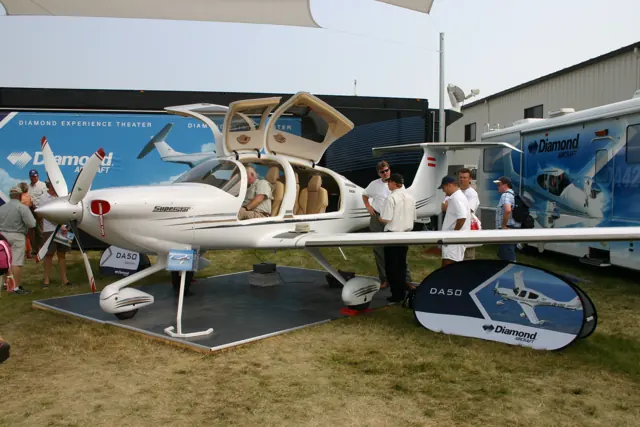
A two-seat composite trainer with a low wing and a large canopy.
A modern medium twin-engine helicopter developed as a successor to the Dauphin line.
A twin-engine business jet designed to retain some of the utility flexibility associated with the PC-12.
A Brazilian light trainer with a high wing, tandem seats and a simple utility layout.
A purpose-built agricultural aircraft that also became a single-engine air tanker.
A four-engine tactical transport built around a rear loading ramp and access to austere airfields.
A streamlined light twin helicopter, with the later Bell 230 in the same family.
A turbine-powered utility helicopter with a broad cabin and a long international service history.
A five-seat composite single whose development led to the diesel DA50 RG.
A wooden touring-aircraft family recognisable by the upward-angled outer wing panels.
A streamlined twin-engine helicopter with a Fenestron tail rotor and retractable landing gear.
A 1920s flying boat with two engines arranged in tandem above the wing.
An open, single-seat ultralight with its propeller behind the pilot.
A compact Czech touring aircraft with side-by-side seats and a streamlined low-wing airframe.
A modern composite twin with a roomy cabin and two wing-mounted piston engines.
A long-range twin whose programme emphasised composite construction and more electrically powered systems.
A heavy-lift helicopter built around an open frame and an external working load.
A pressurised four-engine piston transport from the last major generation before the jet airliner.
A four-seat high-wing single that spans generations of conventional instruments and glass cockpits.
The second-generation Harrier, designed around vectored thrust and short-field operation.
This is AirframeDB’s first release. More features and aircraft research are planned. Leave your email if you’d like occasional updates.