X-Plane
Beechcraft Duchess ↗
Beechcraft's Model 76, designed to introduce pilots to twin-engine flying.
1 implementations+ Compare
Explore the aircraft. Find your simulator. Follow the sources.
Beechcraft's Model 76, designed to introduce pilots to twin-engine flying.
A modern medium twin-engine helicopter developed as a successor to the Dauphin line.
A purpose-built aerobatic monoplane family developed by pilot and designer Walter Extra.
A lightweight pusher family with an enclosed cabin and a high, braced wing.
A short-field Savage with leading-edge slats and a distinct Got Friends simulator implementation.
A 1920s flying boat with two engines arranged in tandem above the wing.
A cabin-class piston twin designed for commuter, cargo and utility work.
A twin-turboprop regional airliner developed through Swedish and American industrial cooperation.
A radial-engine trainer that also served in combat and civilian warbird roles.
A radial-engined utility aircraft closely associated with bush flying and float operations.
A utility-aircraft family whose stretched 207 branch trades compact proportions for more cabin space.
A twin-aisle Boeing designed alongside the 757's generation of two-pilot flight decks.
A post-war Czech light twin with a rounded cabin and engines carried on a low wing.
Mooney's four-seat piston family, developed through many touring-aircraft variants.
A light business jet with a swept wing, rear-mounted engines and an integrated flight deck.
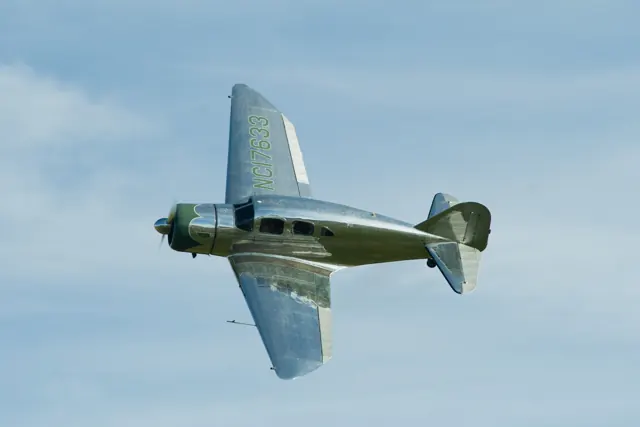
A late-1930s cabin aircraft with metal construction and retractable landing gear.
Lockheed's tandem-seat Shooting Star jet trainer.
A low-wing piston family that spans simple trainers, touring aircraft and retractable-gear Arrows.
A jet-powered military transport designed for both strategic loads and tactical airfield access.
A light tandem-seat taildragger built around the familiar braced high-wing layout.
A very large single-engine biplane designed for practical work from modest airfields.
A wide-cabin business-jet family that developed from Canadair's original Challenger programme.
The CJ4 belongs to Cessna's light-jet line, with two rear-mounted engines and a T-tail.
The Wilga is the real-aircraft starting point for Mike Patey's DRACO and the simulator's DRACO X.
This is AirframeDB’s first release. More features and aircraft research are planned. Leave your email if you’d like occasional updates.