MSFS
MX Aircraft MXS-R ↗
A carbon-fibre aerobatic monoplane family with a dedicated air-racing branch.
1 implementations+ Compare
Explore the aircraft. Find your simulator. Follow the sources.
A carbon-fibre aerobatic monoplane family with a dedicated air-racing branch.
A two-seat Tecnam high-wing aircraft combining composite and metal construction.
A rear-engined trijet built to bring jet service to shorter routes and smaller airports.
A high-wing utility aircraft known for short-field work and a broad choice of working configurations.
A modern composite twin with a roomy cabin and two wing-mounted piston engines.
Tecnam's four-seat high-wing single, built with metal and carbon-fibre components.
A tandem-seat utility aircraft whose light structure and high wing suit bush, towing and recreational work.
A pioneering all-metal transport with an enclosed passenger cabin and corrugated skin.
A lightweight short-field aircraft with a specialised wing and tall, shock-absorbing landing gear.
A two-seat composite kit aircraft developed from the Lancair 320.
A four-engine airliner that brought pressurised-cabin travel into scheduled service.
A composite, low-wing touring single with fixed gear and a turbocharged engine.
A long-haul twin whose family spans passenger, freight and specialist transport roles.
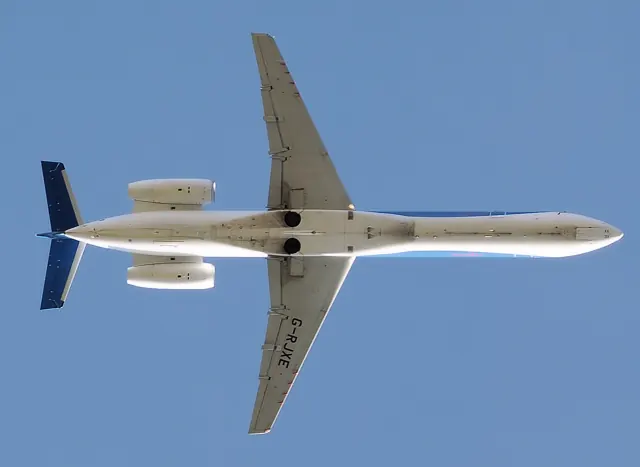
Embraer's regional-jet family, from the ERJ 135 to the longer ERJ 145.
A hybrid-electric regional-airliner concept represented in the simulator while the real programme develops.
A purpose-built aerobatic monoplane family developed by pilot and designer Walter Extra.
A modern utility single whose family includes both tailwheel and nosewheel configurations.
A two-seat naval fighter with variable-sweep wings and a cockpit built around pilot and radar-intercept officer roles.
A corrugated-metal, three-engine transport from the formative years of airline travel.
The H130 utility helicopter, descended from the AS350 and fitted with a Fenestron.
The CJ4 belongs to Cessna's light-jet line, with two rear-mounted engines and a T-tail.
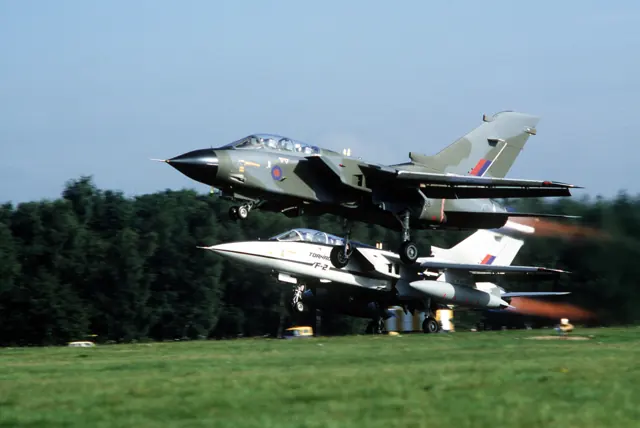
A European variable-sweep combat-aircraft family with distinct strike and interceptor versions.
The four-engine Flying Fortress, a major American bomber of the Second World War.
A stretched development of the DC-9 with rear-mounted engines and a five-abreast cabin.
This is AirframeDB’s first release. More features and aircraft research are planned. Leave your email if you’d like occasional updates.