MSFS
Diamond DA40 ↗
A four-seat composite touring and training aircraft developed from Diamond's smaller two-seater.
4 implementations+ Compare
Explore the aircraft. Find your simulator. Follow the sources.
A four-seat composite touring and training aircraft developed from Diamond's smaller two-seater.
A two-seat light amphibian with a compact boat hull and a pusher propeller.
A heavy transport helicopter whose two large rotors remove the need for a tail rotor.
A long-range fighter whose different engine and canopy developments produced several distinct forms.
A midsize business jet developed by Bombardier’s Learjet division.
A four-engine military turboprop designed to combine tactical access with long-distance transport.
A radial-engined utility aircraft closely associated with bush flying and float operations.
A radial-engined light transport whose long career covered passengers, freight and military training.
A military liaison aircraft built around a high wing, tandem cabin and short-field utility work.
A low-wing agricultural Cessna with a cockpit and hopper arranged around the job.
A light business jet with a swept wing, rear-mounted engines and an integrated flight deck.
A carrier-capable multirole fighter, larger than the earlier Hornet from which it developed.
A short-field Savage with leading-edge slats and a distinct Got Friends simulator implementation.
The purpose-built Ryan monoplane used by Charles Lindbergh for his 1927 solo Atlantic crossing.
The fixed-gear, six-cylinder touring branch of Piper's PA-28 family.
An Italian light aircraft known for military training and aerobatic use.
The JetRanger and LongRanger family: a familiar turbine-helicopter shape with distinct cabin lengths.
A First World War trainer that became a familiar sight in the barnstorming era.
A compact Japanese twin turboprop with a high wing and pressurised cabin.
The second-generation Harrier, designed around vectored thrust and short-field operation.
A French two-seat aerobatic trainer with side-by-side seating and a distinctive curved wing outline.
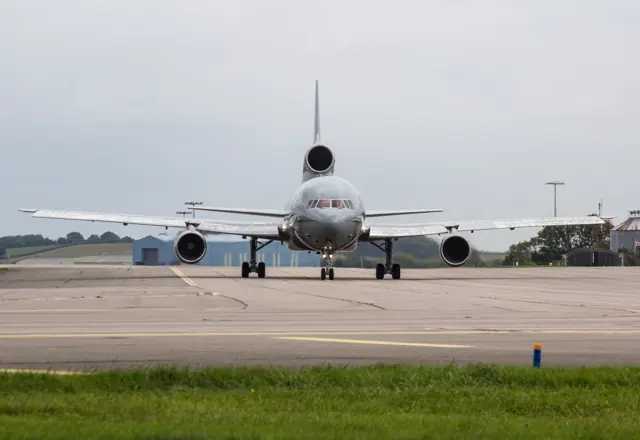
Lockheed's wide-body TriStar, with three RB211 engines and a distinctive tail intake.
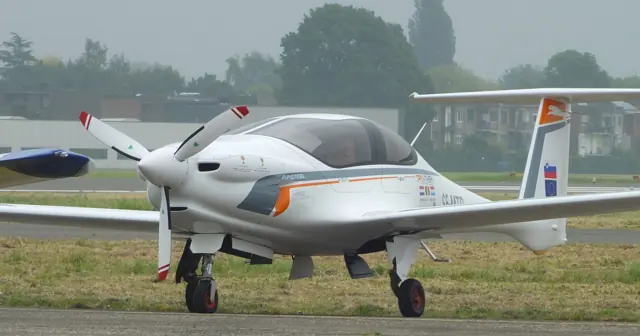
Pipistrel's streamlined four-seat composite-aircraft design.
A utility piston twin designed for commuter and specialist transport missions.
This is AirframeDB’s first release. More features and aircraft research are planned. Leave your email if you’d like occasional updates.