X-Plane
Pipistrel Panthera ↗
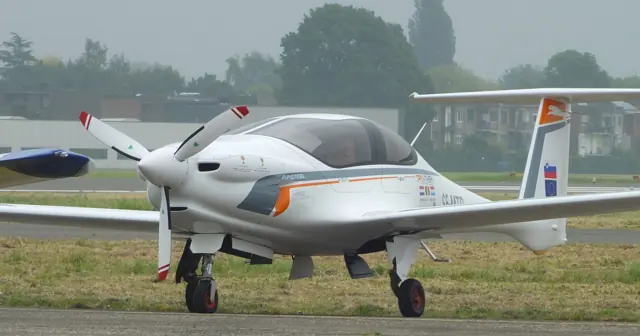
Pipistrel's streamlined four-seat composite-aircraft design.
1 implementations+ Compare
Explore the aircraft. Find your simulator. Follow the sources.
Pipistrel's streamlined four-seat composite-aircraft design.
A tandem-seat light aircraft with a streamlined low-wing layout.
The CJ4 belongs to Cessna's light-jet line, with two rear-mounted engines and a T-tail.
Tecnam's two-seat, low-wing Sierra, introduced in the early 2000s.
A low-wing piston family that spans simple trainers, touring aircraft and retractable-gear Arrows.
A six-engine flying boat created for long-distance passenger travel over water.
A pressurised four-engine piston transport from the last major generation before the jet airliner.
A swept-wing business jet designed around high subsonic cruise speed.
A twin-hull flying boat with its engines mounted together above the wing.
The Stationair utility family, combining a high wing with fixed landing gear.
An advanced trainer known around the world as the Texan, Harvard and SNJ.
The fixed-gear, six-cylinder touring branch of Piper's PA-28 family.
A lightweight short-field aircraft with a specialised wing and tall, shock-absorbing landing gear.
A long-haul twin whose family spans passenger, freight and specialist transport roles.
A light turbine helicopter whose land-based Scout and naval Wasp branches served different jobs.
A compact two-seat light aircraft with a high wing and a wide range of development variants.
A tandem-seat homebuilt jet with composite construction and retractable landing gear.
A corrugated-metal transport best known in its three-engine form.
A light business jet with a swept wing, rear-mounted engines and an integrated flight deck.
A twin-turboprop regional airliner developed through Swedish and American industrial cooperation.
A tandem two-seat sailplane family used for training and cross-country soaring.
Diamond's four-seat light twin, developed with diesel-powered versions.
A lightweight pusher family with an enclosed cabin and a high, braced wing.
A wooden touring-aircraft family recognisable by the upward-angled outer wing panels.
This is AirframeDB’s first release. More features and aircraft research are planned. Leave your email if you’d like occasional updates.




























