MSFS
CAP 4 Paulistinha ↗
A Brazilian light trainer with a high wing, tandem seats and a simple utility layout.
1 implementations+ Compare
Explore the aircraft. Find your simulator. Follow the sources.
A Brazilian light trainer with a high wing, tandem seats and a simple utility layout.
A two-seat training single with a high wing and fixed tricycle landing gear.
A streamlined twin-engine helicopter with a Fenestron tail rotor and retractable landing gear.
A British jet trainer with tandem seating and a long military training career.
A radial-engined light transport whose long career covered passengers, freight and military training.
A carrier-capable multirole fighter, larger than the earlier Hornet from which it developed.
A twin-engine business jet designed to retain some of the utility flexibility associated with the PC-12.
Piper's two-seat trainer with fixed tricycle landing gear.
The CJ4 belongs to Cessna's light-jet line, with two rear-mounted engines and a T-tail.
A huge wooden flying-boat prototype that made one brief flight in 1947.
A pioneering light helicopter whose bubble cabin and exposed structure became widely recognisable.
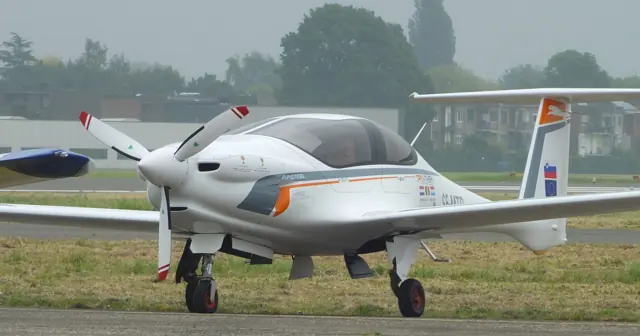
Pipistrel's streamlined four-seat composite-aircraft design.
A single-seat aerobatic monoplane that also became a familiar air-racing aircraft.
A low-wing piston family that spans simple trainers, touring aircraft and retractable-gear Arrows.
A compact Japanese twin turboprop with a high wing and pressurised cabin.
A high-wing utility aircraft known for short-field work and a broad choice of working configurations.
A composite touring single with a whole-aircraft parachute and several generations of avionics.
A two-seat light amphibian with a compact boat hull and a pusher propeller.
A lightweight short-field aircraft with a specialised wing and tall, shock-absorbing landing gear.
A wide-cabin business-jet family that developed from Canadair's original Challenger programme.
A medium commercial helicopter designed for passenger and utility transport.
A side-by-side two-seat sailplane with a retractable powerplant for self-launching.
A shorter wide-body Airbus from the transition to two-pilot, electronic-instrument cockpits.
The purpose-built Ryan monoplane used by Charles Lindbergh for his 1927 solo Atlantic crossing.
This is AirframeDB’s first release. More features and aircraft research are planned. Leave your email if you’d like occasional updates.