MSFS X-Plane
Embraer E-Jets ↗
A four-abreast regional-jet family spanning the E170, E175, E190 and E195.
2 implementations+ Compare
Explore the aircraft. Find your simulator. Follow the sources.
A four-abreast regional-jet family spanning the E170, E175, E190 and E195.
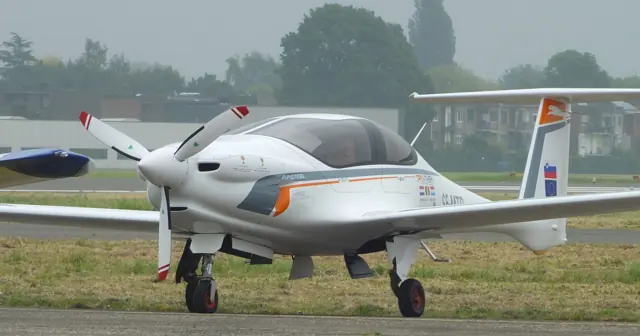
Pipistrel's streamlined four-seat composite-aircraft design.
A box-shaped utility twin whose cabin and rear access are central to its design.
A compact rear-engined jet designed for short-haul regional airline work.
A corrugated-metal, three-engine transport from the formative years of airline travel.
A two-seat composite light-aircraft family with a high wing and a compact enclosed cabin.
A two-seat training single with a high wing and fixed tricycle landing gear.
A close-air-support aircraft with a straight wing, twin tail and two widely separated jet engines.
A swept-wing business jet designed around high subsonic cruise speed.
A single-seat aerobatic monoplane that also became a familiar air-racing aircraft.
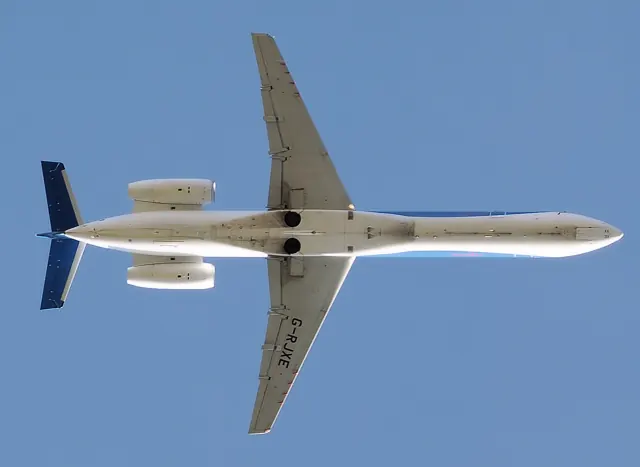
Embraer's regional-jet family, from the ERJ 135 to the longer ERJ 145.
An enclosed-cabin development of the Bell 47, shaped for passenger and executive transport.
A midsize business jet developed by Bombardier’s Learjet division.
A low-wing piston family that spans simple trainers, touring aircraft and retractable-gear Arrows.
A single-engine utility helicopter known as the Écureuil, Squirrel and AStar.
A light business jet with a swept wing, rear-mounted engines and an integrated flight deck.
A modern composite twin with a roomy cabin and two wing-mounted piston engines.
A military transport developed from the DC-3, used for cargo, troops, parachuting and glider towing.
A twin-engine business jet designed to retain some of the utility flexibility associated with the PC-12.
A long-range twin whose programme emphasised composite construction and more electrically powered systems.
An open, single-seat ultralight with its propeller behind the pilot.
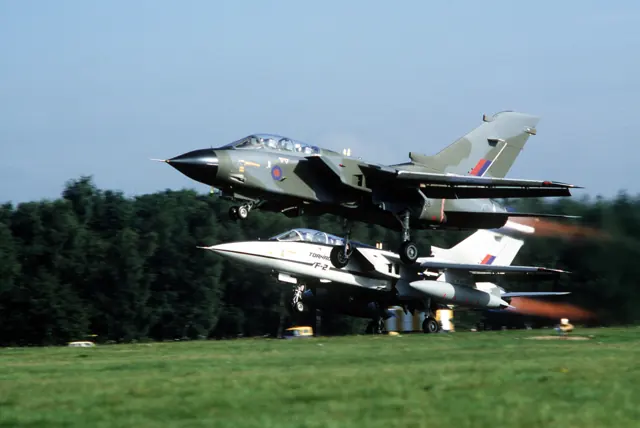
A European variable-sweep combat-aircraft family with distinct strike and interceptor versions.
A modern utility single whose family includes both tailwheel and nosewheel configurations.
This is AirframeDB’s first release. More features and aircraft research are planned. Leave your email if you’d like occasional updates.