X-Plane
De Havilland DHC-1 Chipmunk ↗
A Canadian tandem-seat trainer developed after the Second World War.
1 implementations+ Compare
Explore the aircraft. Find your simulator. Follow the sources.
A Canadian tandem-seat trainer developed after the Second World War.
A purpose-built aerobatic monoplane family developed by pilot and designer Walter Extra.
A regional turboprop family whose short early versions and larger Q400 have different proportions and systems.
A pressurised twin turboprop with a canard, composite airframe and rear-facing propellers.
A push-pull twin with one engine at each end of the central fuselage.
A three-engine airliner that became a mainstay of Soviet and Russian passenger transport.
A low-wing piston family that spans simple trainers, touring aircraft and retractable-gear Arrows.
A four-seat, pressurised kit aircraft with a composite airframe and retractable landing gear.
A heavy transport helicopter whose two large rotors remove the need for a tail rotor.
A four-seat high-wing single that spans generations of conventional instruments and glass cockpits.
The CJ4 belongs to Cessna's light-jet line, with two rear-mounted engines and a T-tail.
The purpose-built Ryan monoplane used by Charles Lindbergh for his 1927 solo Atlantic crossing.
A full-length double-deck airliner built for very high passenger capacity.
A long-range trijet developed from the DC-10 with a stretched fuselage and revised wing and cockpit.
A light business jet with a swept wing, rear-mounted engines and an integrated flight deck.
A tandem two-seat sailplane family used for training and cross-country soaring.
A side-by-side two-seat sailplane with a retractable powerplant for self-launching.
A twin-hull flying boat with its engines mounted together above the wing.
A long-range fighter whose different engine and canopy developments produced several distinct forms.
A regional jet family with four small engines, a high wing and a large split tail airbrake.
A two-seat, twin-engine fighter that served naval and land-based air forces in many roles.
Tecnam's two-seat, low-wing Sierra, introduced in the early 2000s.
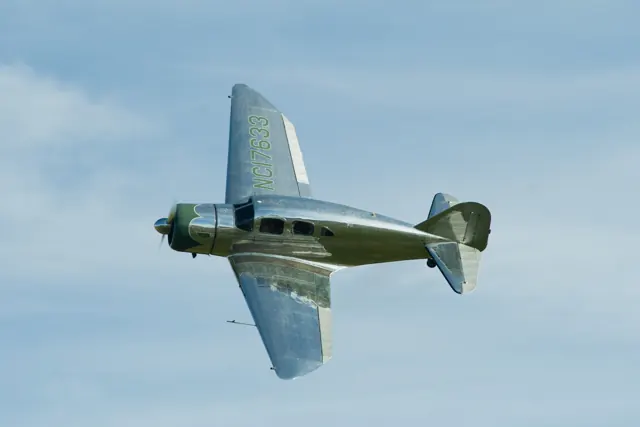
A late-1930s cabin aircraft with metal construction and retractable landing gear.
The Wilga is the real-aircraft starting point for Mike Patey's DRACO and the simulator's DRACO X.
This is AirframeDB’s first release. More features and aircraft research are planned. Leave your email if you’d like occasional updates.