MSFS
Magni M-24 Orion ↗
An enclosed, two-seat autogyro with side-by-side seating and a pusher propeller.
1 implementations+ Compare
Explore the aircraft. Find your simulator. Follow the sources.
An enclosed, two-seat autogyro with side-by-side seating and a pusher propeller.
A twin-engine utility helicopter with roots in the BK 117 and EC145 families.
A close-air-support aircraft with a straight wing, twin tail and two widely separated jet engines.
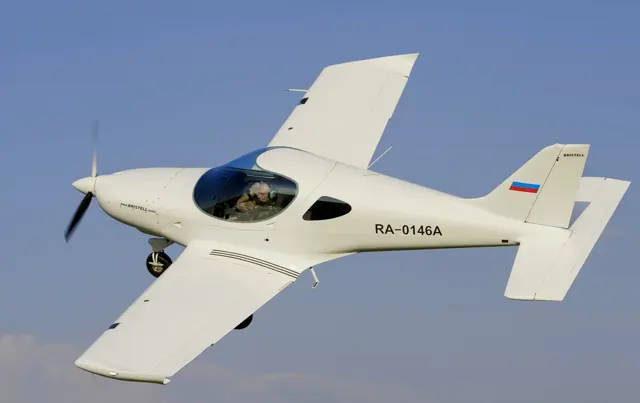
BRM Aero's two-seat B23, represented in MSFS by Airfoillabs.
A two-seat light amphibian with a compact boat hull and a pusher propeller.
A four-engine military turboprop designed to combine tactical access with long-distance transport.
A British jet trainer with tandem seating and a long military training career.
A very light twin jet developed from the Eclipse 500.
A twin-turboprop regional airliner developed through Swedish and American industrial cooperation.
A DC-10-derived tanker that combined aerial refuelling with passenger and cargo transport.
A four-seat composite touring and training aircraft developed from Diamond's smaller two-seater.
A pressurised single-engine turboprop family that combines a compact cabin with retractable gear.
A long-range strategic bomber with a swept wing and eight jet engines in paired pods.
A long-haul twin whose family spans passenger, freight and specialist transport roles.
A two-seat composite kit aircraft developed from the Lancair 320.
A twin-turboprop family whose smaller conventional-tail and larger T-tail branches have distinct identities.
A single-engine turboprop workhorse for passenger services, freight and remote-area transport.
A swept-wing business jet designed around high subsonic cruise speed.
The H130 utility helicopter, descended from the AS350 and fitted with a Fenestron.
A regional jet family with four small engines, a high wing and a large split tail airbrake.
A short-field Savage with leading-edge slats and a distinct Got Friends simulator implementation.
Beechcraft's Model 76, designed to introduce pilots to twin-engine flying.
Airbus's first production aircraft, built around a twin-engine wide-body layout.
The second-generation Harrier, designed around vectored thrust and short-field operation.
This is AirframeDB’s first release. More features and aircraft research are planned. Leave your email if you’d like occasional updates.