MSFS
Pipistrel Virus SW 121 ↗
A compact two-seat light aircraft with a high wing and a wide range of development variants.
2 implementations+ Compare
Explore the aircraft. Find your simulator. Follow the sources.
A compact two-seat light aircraft with a high wing and a wide range of development variants.
A two-seat composite kit aircraft developed from the Lancair 320.
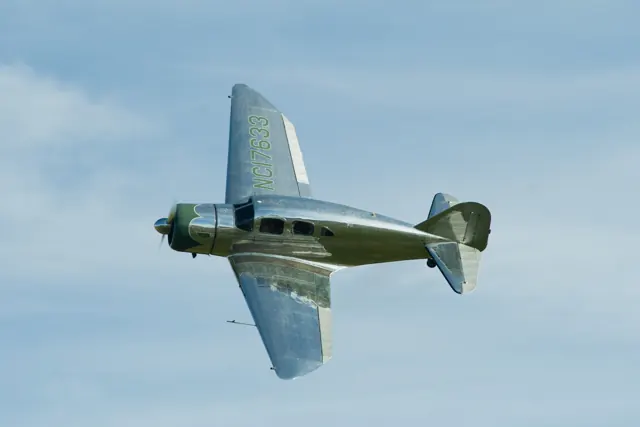
A late-1930s cabin aircraft with metal construction and retractable landing gear.
A retractable-gear touring single with an all-metal airframe and a long-lived enthusiast following.
A tandem-seat jet trainer that also found a second life in civilian display and racing.
A four-seat, pressurised kit aircraft with a composite airframe and retractable landing gear.
A compact twin-engine transport helicopter with retractable gear and a long development history.
A composite touring single with a whole-aircraft parachute and several generations of avionics.
A Brazilian light trainer with a high wing, tandem seats and a simple utility layout.
Pipistrel's streamlined four-seat composite-aircraft design.
A tailwheel utility single built around a high wing and a substantial working cabin.
A light turbine helicopter whose land-based Scout and naval Wasp branches served different jobs.
A short-haul jet family that evolved through several generations of engines, wings and flight decks.
A small two-seat piston helicopter with a two-bladed main rotor.
A wartime fighter developed from the earlier Curtiss P-36.
An open, single-seat ultralight with its propeller behind the pilot.
A high-wing utility aircraft known for short-field work and a broad choice of working configurations.
The Wilga is the real-aircraft starting point for Mike Patey's DRACO and the simulator's DRACO X.
Lockheed's wide-body TriStar, with three RB211 engines and a distinctive tail intake.
A two-seat composite light-aircraft family with a high wing and a compact enclosed cabin.
A personal jet with one engine above the rear fuselage and a distinctive V-tail.
A regional turboprop family whose short early versions and larger Q400 have different proportions and systems.
The purpose-built Ryan monoplane used by Charles Lindbergh for his 1927 solo Atlantic crossing.
A compact racing aeroplane built around a large radial engine and very short fuselage.
This is AirframeDB’s first release. More features and aircraft research are planned. Leave your email if you’d like occasional updates.