X-Plane
De Havilland DHC-1 Chipmunk ↗
A Canadian tandem-seat trainer developed after the Second World War.
1 implementations+ Compare
Explore the aircraft. Find your simulator. Follow the sources.
A Canadian tandem-seat trainer developed after the Second World War.
A radial-engine trainer that also served in combat and civilian warbird roles.
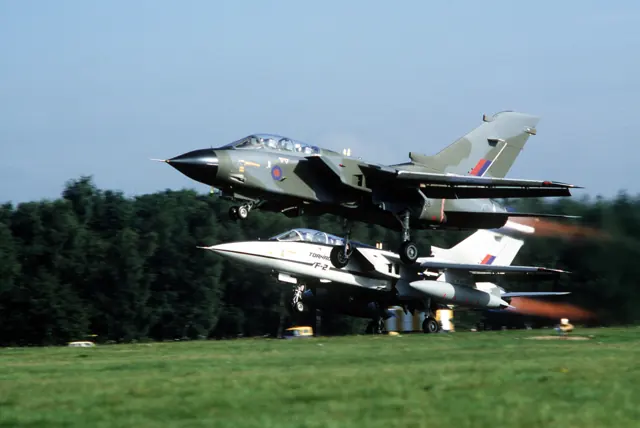
A European variable-sweep combat-aircraft family with distinct strike and interceptor versions.
A long-range strategic bomber with a swept wing and eight jet engines in paired pods.
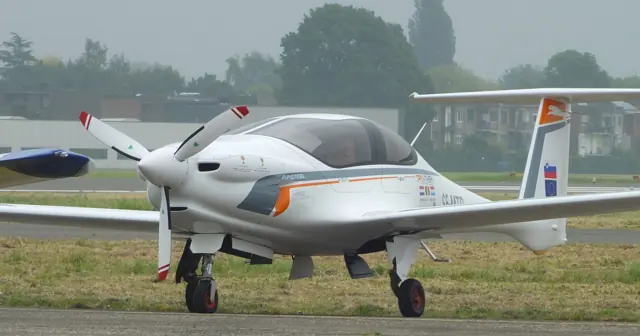
Pipistrel's streamlined four-seat composite-aircraft design.
A low-wing piston family that spans simple trainers, touring aircraft and retractable-gear Arrows.
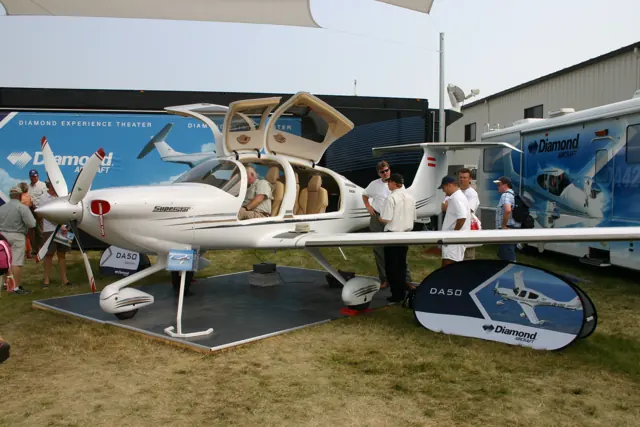
A five-seat composite single whose development led to the diesel DA50 RG.
A four-seat kit-built touring aircraft that expanded the RV family beyond two-seat designs.
A narrow-body twin developed as a new generation of medium-range airliner.
A six-seat composite single turboprop with a pressurised cabin and retractable gear.
An advanced trainer known around the world as the Texan, Harvard and SNJ.
A pressurised single-engine turboprop family that combines a compact cabin with retractable gear.
A very light twin jet developed from the Eclipse 500.
An open-cockpit biplane trainer that found a second life in civilian flying.
A four-seat high-wing single that spans generations of conventional instruments and glass cockpits.
A composite, low-wing touring single with fixed gear and a turbocharged engine.
TorqueSim's Pocket Rocket, a simulated PT6-powered light aircraft with two gear layouts.
SOCATA's touring-aircraft family, including the Tobago and Trinidad.
A compact Italian light twin with a shoulder wing and metal airframe.
The four-engine Flying Fortress, a major American bomber of the Second World War.
Piper's two-seat trainer with fixed tricycle landing gear.
A small two-seat piston helicopter with a two-bladed main rotor.
A stretched development of the DC-9 with rear-mounted engines and a five-abreast cabin.
A twin-turboprop family whose smaller conventional-tail and larger T-tail branches have distinct identities.
This is AirframeDB’s first release. More features and aircraft research are planned. Leave your email if you’d like occasional updates.