MSFS
Cessna 404 Titan ↗
A cabin-class piston twin designed for commuter, cargo and utility work.
1 implementations+ Compare
Explore the aircraft. Find your simulator. Follow the sources.
A cabin-class piston twin designed for commuter, cargo and utility work.
A compact racing aeroplane built around a large radial engine and very short fuselage.
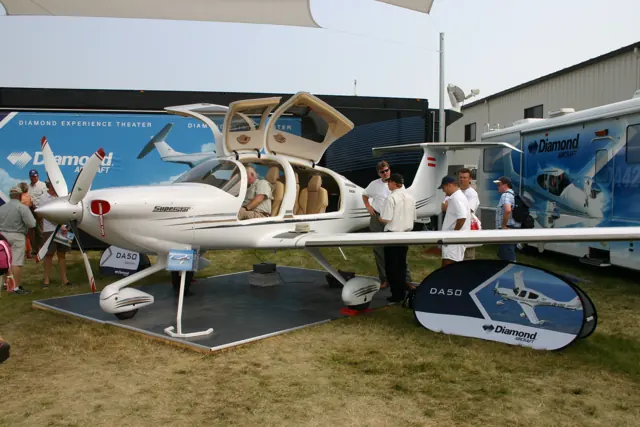
A five-seat composite single whose development led to the diesel DA50 RG.
A small observation-helicopter family with a rounded cabin and compact rotor system.
A tandem-seat utility aircraft whose light structure and high wing suit bush, towing and recreational work.
An open, single-seat ultralight with its propeller behind the pilot.
The four-engine Flying Fortress, a major American bomber of the Second World War.
A cabin biplane with the lower wing placed ahead of the upper one.
A lightweight short-field aircraft with a specialised wing and tall, shock-absorbing landing gear.
A carrier-capable multirole fighter, larger than the earlier Hornet from which it developed.
A composite, low-wing touring single with fixed gear and a turbocharged engine.
A regional jet family with four small engines, a high wing and a large split tail airbrake.
A modern two-seat piston helicopter designed around the training role.
An unpowered military cargo glider designed to deliver troops and equipment behind a tow aircraft.
A carbon-fibre aerobatic monoplane family with a dedicated air-racing branch.
A twin-engine utility helicopter with roots in the BK 117 and EC145 families.
A long-range strategic bomber with a swept wing and eight jet engines in paired pods.
The purpose-built Ryan monoplane used by Charles Lindbergh for his 1927 solo Atlantic crossing.
The Model 525 CitationJet, the starting point of Cessna's CJ and M2 lineage.
Piper's two-seat trainer with fixed tricycle landing gear.
A 1920s transport family that developed from a single-engine airliner into a trimotor.
A retractable-gear touring single with an all-metal airframe and a long-lived enthusiast following.
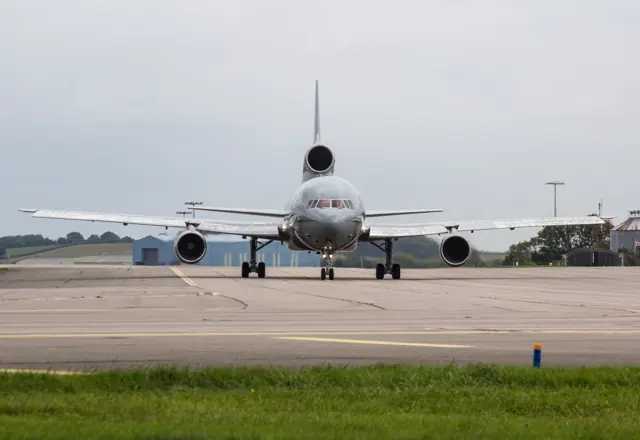
Lockheed's wide-body TriStar, with three RB211 engines and a distinctive tail intake.
A shorter wide-body Airbus from the transition to two-pilot, electronic-instrument cockpits.
This is AirframeDB’s first release. More features and aircraft research are planned. Leave your email if you’d like occasional updates.