MSFS
Airbus Helicopter H225 ↗
A large twin-engine helicopter from the Super Puma line, used for offshore and public-service work.
1 implementations+ Compare
Explore the aircraft. Find your simulator. Follow the sources.
A large twin-engine helicopter from the Super Puma line, used for offshore and public-service work.
An enlarged Velocity kit aircraft with a canard and rear-mounted pusher propeller.
A full-length double-deck airliner built for very high passenger capacity.
A midsize business jet developed by Bombardier’s Learjet division.
A twin-engine business jet designed to retain some of the utility flexibility associated with the PC-12.
The CJ4 belongs to Cessna's light-jet line, with two rear-mounted engines and a T-tail.
Regional flying built around a high wing, two turboprops and short sectors.
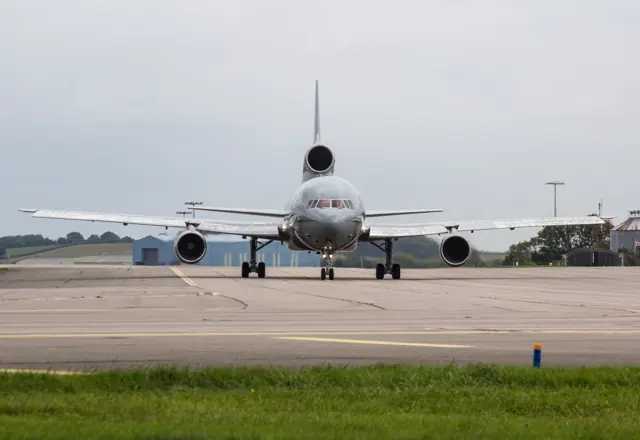
Lockheed's wide-body TriStar, with three RB211 engines and a distinctive tail intake.
A corrugated-metal, three-engine transport from the formative years of airline travel.
A light business jet with a swept wing, rear-mounted engines and an integrated flight deck.
A heavy transport helicopter whose two large rotors remove the need for a tail rotor.
The four-engine Flying Fortress, a major American bomber of the Second World War.
A four-engine Airbus wide-body developed in parallel with the A330.
A 1920s transport family that developed from a single-engine airliner into a trimotor.
A tandem two-seat sailplane designed for instruction and broader soaring use.
A compact two-seat light aircraft with a high wing and a wide range of development variants.
Avro's delta-wing bomber, developed for Britain's postwar strategic force.
A twin-turboprop regional airliner developed through Swedish and American industrial cooperation.
A utility piston twin designed for commuter and specialist transport missions.
A low-wing piston twin that carries the Beechcraft touring-aircraft lineage into two-engine flying.
A streamlined twin-engine helicopter with a Fenestron tail rotor and retractable landing gear.
A lightweight short-field aircraft with a specialised wing and tall, shock-absorbing landing gear.
A family of single-aisle airliners built around sidesticks, electronic flight controls and a shared cockpit.
The Wilga is the real-aircraft starting point for Mike Patey's DRACO and the simulator's DRACO X.
This is AirframeDB’s first release. More features and aircraft research are planned. Leave your email if you’d like occasional updates.