MSFS
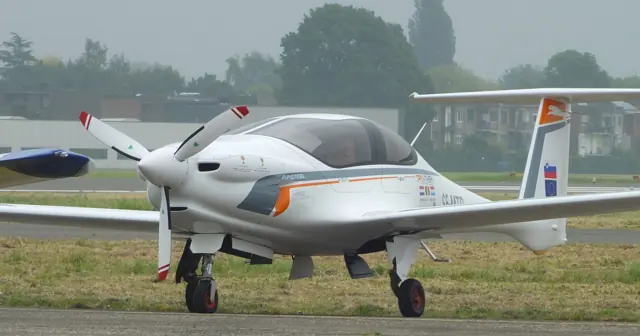
Pipistrel Virus SW 121 ↗
A compact two-seat light aircraft with a high wing and a wide range of development variants.
2 implementations+ Compare
Explore the aircraft. Find your simulator. Follow the sources.
A compact two-seat light aircraft with a high wing and a wide range of development variants.
A long-running touring single, familiar in both V-tail and conventional-tail forms.
A huge wooden flying-boat prototype that made one brief flight in 1947.
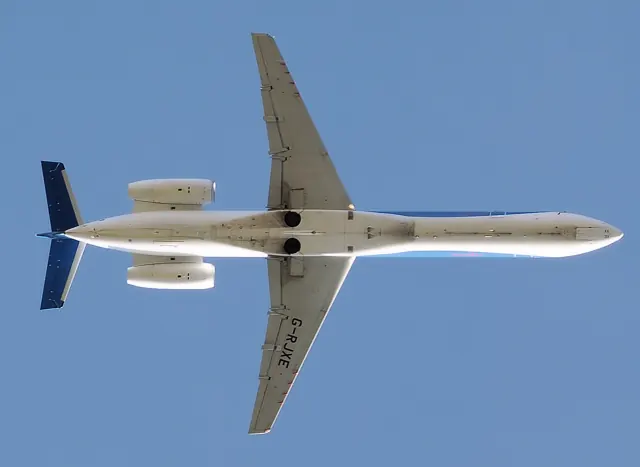
A regional jet family with four small engines, a high wing and a large split tail airbrake.
A long-range fighter whose different engine and canopy developments produced several distinct forms.
A tandem-seat light aircraft with a streamlined low-wing layout.
A pressurised four-engine piston transport from the last major generation before the jet airliner.
Beechcraft's Model 76, designed to introduce pilots to twin-engine flying.
A French two-seat aerobatic trainer with side-by-side seating and a distinctive curved wing outline.
A light business jet with a swept wing, rear-mounted engines and an integrated flight deck.
Pipistrel's streamlined four-seat composite-aircraft design.
A tandem-seat jet trainer that also found a second life in civilian display and racing.
The fixed-gear, six-cylinder touring branch of Piper's PA-28 family.
Embraer's regional-jet family, from the ERJ 135 to the longer ERJ 145.
A modern two-seat piston helicopter designed around the training role.
A low-wing piston family that spans simple trainers, touring aircraft and retractable-gear Arrows.
A six-engine flying boat created for long-distance passenger travel over water.
A three-engine airliner that became a mainstay of Soviet and Russian passenger transport.
A four-seat composite touring and training aircraft developed from Diamond's smaller two-seater.
A full-length double-deck airliner built for very high passenger capacity.
A modern utility single whose family includes both tailwheel and nosewheel configurations.
A midsize business jet developed by Bombardier’s Learjet division.
A military liaison aircraft built around a high wing, tandem cabin and short-field utility work.
A shorter wide-body Airbus from the transition to two-pilot, electronic-instrument cockpits.
This is AirframeDB’s first release. More features and aircraft research are planned. Leave your email if you’d like occasional updates.