X-Plane
Eclipse 550 ↗
A very light twin jet developed from the Eclipse 500.
1 implementations+ Compare
Explore the aircraft. Find your simulator. Follow the sources.
A very light twin jet developed from the Eclipse 500.
A twin-turboprop utility aircraft developed by Reims Aviation with Cessna.
Mooney's four-seat piston family, developed through many touring-aircraft variants.
A French two-seat aerobatic trainer with side-by-side seating and a distinctive curved wing outline.
A military liaison aircraft built around a high wing, tandem cabin and short-field utility work.
A British utility twin built around short regional and practical transport work.
A five-seat turbine helicopter developed from Robinson's smaller piston-helicopter line.
The second-generation Harrier, designed around vectored thrust and short-field operation.
A turbine-powered utility helicopter with a broad cabin and a long international service history.
SOCATA's touring-aircraft family, including the Tobago and Trinidad.
A self-launching sailplane family with its engine inside the fuselage and a folding nose propeller.
The CJ4 belongs to Cessna's light-jet line, with two rear-mounted engines and a T-tail.
A four-seat composite touring and training aircraft developed from Diamond's smaller two-seater.
A four-bladed utility helicopter developed from the LongRanger lineage.
An unpowered military cargo glider designed to deliver troops and equipment behind a tow aircraft.
A modern composite twin with a roomy cabin and two wing-mounted piston engines.
A very large single-engine biplane designed for practical work from modest airfields.
A carbon-fibre aerobatic monoplane family with a dedicated air-racing branch.
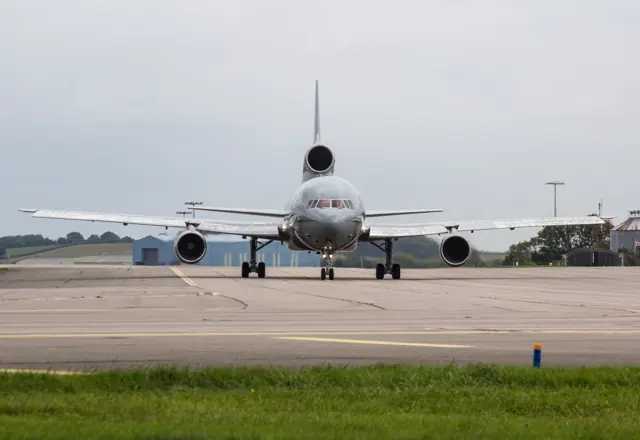
Lockheed's wide-body TriStar, with three RB211 engines and a distinctive tail intake.
An all-metal sport and touring aircraft from Bayerische Flugzeugwerke.
A utility-aircraft family whose stretched 207 branch trades compact proportions for more cabin space.
A four-seat, pressurised kit aircraft with a composite airframe and retractable landing gear.
A heavy transport helicopter whose two large rotors remove the need for a tail rotor.
This is AirframeDB’s first release. More features and aircraft research are planned. Leave your email if you’d like occasional updates.