MSFS
Beechcraft Model 17 Staggerwing ↗
A cabin biplane with the lower wing placed ahead of the upper one.
1 implementations+ Compare
Explore the aircraft. Find your simulator. Follow the sources.
A cabin biplane with the lower wing placed ahead of the upper one.
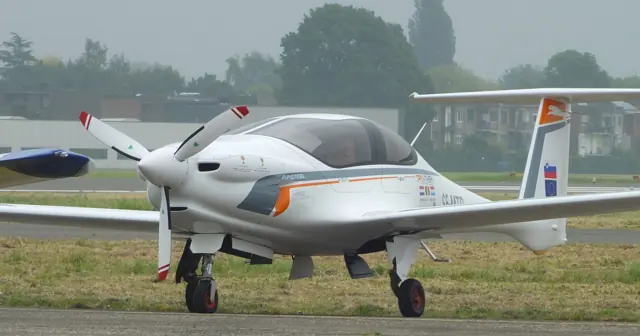
Pipistrel's streamlined four-seat composite-aircraft design.
A British jet trainer with tandem seating and a long military training career.
The H130 utility helicopter, descended from the AS350 and fitted with a Fenestron.
A side-by-side two-seat sailplane with a retractable powerplant for self-launching.
The Huey: a turbine-powered utility helicopter with a broad cabin and an unmistakable two-bladed rotor.
A two-seat composite kit aircraft developed from the Lancair 320.
The CJ4 belongs to Cessna's light-jet line, with two rear-mounted engines and a T-tail.
A family of single-aisle airliners built around sidesticks, electronic flight controls and a shared cockpit.
A small three-engine demonstrator created to explore technologies for a future supersonic airliner.
A twin-radial airliner that helped make practical passenger transport a regular business.
A four-bladed utility helicopter developed from the LongRanger lineage.
A very light twin jet developed from the Eclipse 500.
A two-seat training single with a high wing and fixed tricycle landing gear.
A two-seat, twin-engine fighter that served naval and land-based air forces in many roles.
The purpose-built Ryan monoplane used by Charles Lindbergh for his 1927 solo Atlantic crossing.
A compact utility helicopter distinguished by its enclosed Fenestron tail rotor.
TorqueSim's Pocket Rocket, a simulated PT6-powered light aircraft with two gear layouts.
A four-seat touring family whose Commander 114 added a larger engine and further refinements.
Tecnam's two-seat, low-wing Sierra, introduced in the early 2000s.
A pressurised twin turboprop with a canard, composite airframe and rear-facing propellers.
A high-wing utility turboprop designed for short-field passenger and cargo work.
A composite touring single with a whole-aircraft parachute and several generations of avionics.
This is AirframeDB’s first release. More features and aircraft research are planned. Leave your email if you’d like occasional updates.