X-Plane
Boeing B-52G Stratofortress ↗
A long-range strategic bomber with a swept wing and eight jet engines in paired pods.
1 implementations+ Compare
Explore the aircraft. Find your simulator. Follow the sources.
A long-range strategic bomber with a swept wing and eight jet engines in paired pods.
A four-seat, pressurised kit aircraft with a composite airframe and retractable landing gear.
A Brazilian light trainer with a high wing, tandem seats and a simple utility layout.
The CJ4 belongs to Cessna's light-jet line, with two rear-mounted engines and a T-tail.
A long-range twin whose programme emphasised composite construction and more electrically powered systems.
A swept-wing business jet designed around high subsonic cruise speed.
A self-launching sailplane family with its engine inside the fuselage and a folding nose propeller.
A twin-radial military transport with a rear ramp and short-field design priorities.
A composite, low-wing touring single with fixed gear and a turbocharged engine.
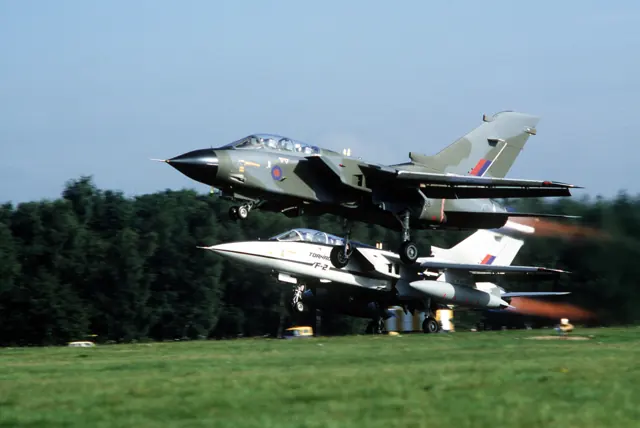
A European variable-sweep combat-aircraft family with distinct strike and interceptor versions.
A modern utility single whose family includes both tailwheel and nosewheel configurations.
A low-wing piston twin that carries the Beechcraft touring-aircraft lineage into two-engine flying.
A First World War trainer that became a familiar sight in the barnstorming era.
A light turbine helicopter whose land-based Scout and naval Wasp branches served different jobs.
A family of single-aisle airliners built around sidesticks, electronic flight controls and a shared cockpit.
Avro's delta-wing bomber, developed for Britain's postwar strategic force.
A compact Japanese twin turboprop with a high wing and pressurised cabin.
A pioneering all-metal transport with an enclosed passenger cabin and corrugated skin.
A DC-10-derived tanker that combined aerial refuelling with passenger and cargo transport.
A purpose-built agricultural aircraft that also became a single-engine air tanker.
A 1920s transport family that developed from a single-engine airliner into a trimotor.
A close-air-support aircraft with a straight wing, twin tail and two widely separated jet engines.
A wooden touring-aircraft family recognisable by the upward-angled outer wing panels.
A Swedish reconnaissance and dive-bombing aircraft from the early 1940s.
This is AirframeDB’s first release. More features and aircraft research are planned. Leave your email if you’d like occasional updates.