MSFS
Flight Design CTSL ↗
A two-seat composite light-aircraft family with a high wing and a compact enclosed cabin.
2 implementations+ Compare
Explore the aircraft. Find your simulator. Follow the sources.
A two-seat composite light-aircraft family with a high wing and a compact enclosed cabin.
The Huey: a turbine-powered utility helicopter with a broad cabin and an unmistakable two-bladed rotor.
A three-engine airliner that became a mainstay of Soviet and Russian passenger transport.
A long-range twin designed around a new wide-body airframe and extensive composite construction.
A French two-seat aerobatic trainer with side-by-side seating and a distinctive curved wing outline.
A Swedish reconnaissance and dive-bombing aircraft from the early 1940s.
A Canadian tandem-seat trainer developed after the Second World War.
A long-running touring single, familiar in both V-tail and conventional-tail forms.
A First World War trainer that became a familiar sight in the barnstorming era.
An unpowered military cargo glider designed to deliver troops and equipment behind a tow aircraft.
A large amphibious flying boat built around maritime rescue and utility transport.
A radial-engine trainer that also served in combat and civilian warbird roles.
A light business jet with a swept wing, rear-mounted engines and an integrated flight deck.
A two-seat light amphibian with a compact boat hull and a pusher propeller.
A personal jet with one engine above the rear fuselage and a distinctive V-tail.
A huge wooden flying-boat prototype that made one brief flight in 1947.
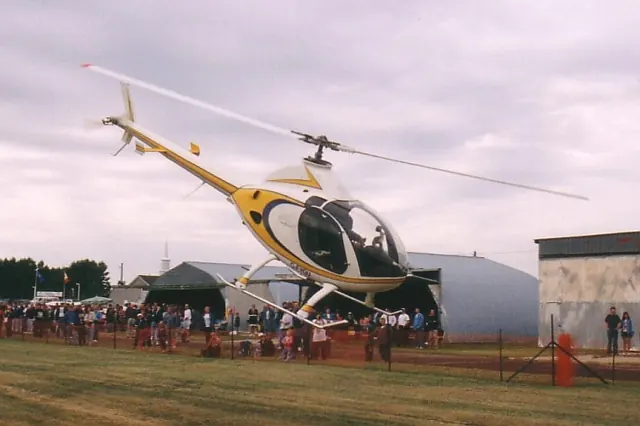
RotorWay's two-seat kit-helicopter family, with piston and turbine simulator interpretations.
A military liaison aircraft built around a high wing, tandem cabin and short-field utility work.
A Polish utility aircraft designed for short takeoffs and landings.
A long-range fighter whose different engine and canopy developments produced several distinct forms.
A four-seat kit-built touring aircraft that expanded the RV family beyond two-seat designs.
A corrugated-metal transport best known in its three-engine form.
A carrier-capable multirole fighter, larger than the earlier Hornet from which it developed.
The Mitchell medium bomber, named for aviation advocate Billy Mitchell.
This is AirframeDB’s first release. More features and aircraft research are planned. Leave your email if you’d like occasional updates.