MSFS
Zlin Aviation Savage Cub ↗
A light tandem-seat taildragger built around the familiar braced high-wing layout.
2 implementations+ Compare
Explore the aircraft. Find your simulator. Follow the sources.
A light tandem-seat taildragger built around the familiar braced high-wing layout.
An open, single-seat ultralight with its propeller behind the pilot.
A compact Japanese twin turboprop with a high wing and pressurised cabin.
A two-seat naval fighter with variable-sweep wings and a cockpit built around pilot and radar-intercept officer roles.
An amphibious turboprop designed around scooping water and delivering it to fires.
A radial-engined light transport whose long career covered passengers, freight and military training.
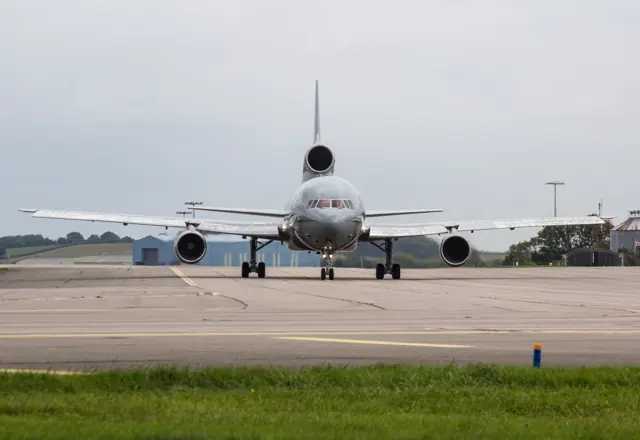
Lockheed's wide-body TriStar, with three RB211 engines and a distinctive tail intake.
A short-field Savage with leading-edge slats and a distinct Got Friends simulator implementation.
A carrier-capable multirole fighter, larger than the earlier Hornet from which it developed.
A self-launching sailplane family with its engine inside the fuselage and a folding nose propeller.
A twin-turboprop regional airliner developed through Swedish and American industrial cooperation.
A purpose-built agricultural aircraft that also became a single-engine air tanker.
A compact Czech touring aircraft with side-by-side seats and a streamlined low-wing airframe.
A side-by-side two-seat sailplane with a retractable powerplant for self-launching.
A four-engine airliner that brought pressurised-cabin travel into scheduled service.
A composite, low-wing touring single with fixed gear and a turbocharged engine.
A 1920s transport family that developed from a single-engine airliner into a trimotor.
A compact Italian light twin with a shoulder wing and metal airframe.
The Model 525 CitationJet, the starting point of Cessna's CJ and M2 lineage.
A push-pull twin with one engine at each end of the central fuselage.
The Wilga is the real-aircraft starting point for Mike Patey's DRACO and the simulator's DRACO X.
A three-engine airliner that became a mainstay of Soviet and Russian passenger transport.
Regional flying built around a high wing, two turboprops and short sectors.
A modern medium twin-engine helicopter developed as a successor to the Dauphin line.
This is AirframeDB’s first release. More features and aircraft research are planned. Leave your email if you’d like occasional updates.