MSFS
Aero Vodochody L-39 ↗
A tandem-seat jet trainer that also found a second life in civilian display and racing.
1 implementations+ Compare
Explore the aircraft. Find your simulator. Follow the sources.
A tandem-seat jet trainer that also found a second life in civilian display and racing.
A long-range trijet developed from the DC-10 with a stretched fuselage and revised wing and cockpit.
A very large single-engine biplane designed for practical work from modest airfields.
A long-range twin whose programme emphasised composite construction and more electrically powered systems.
A twin-engine business jet designed to retain some of the utility flexibility associated with the PC-12.
A retractable-gear touring single with an all-metal airframe and a long-lived enthusiast following.
A hybrid-electric regional-airliner concept represented in the simulator while the real programme develops.
A 1920s flying boat with two engines arranged in tandem above the wing.
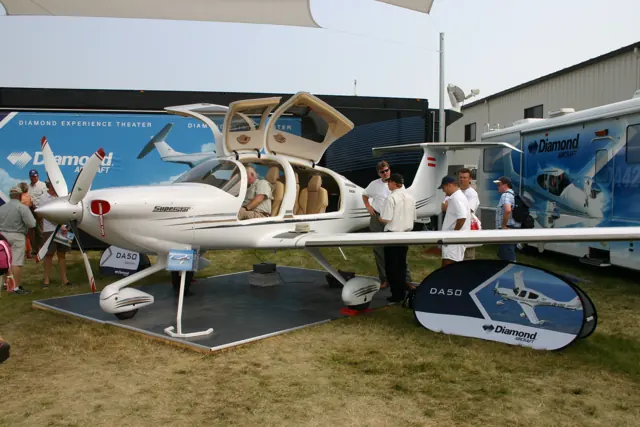
A five-seat composite single whose development led to the diesel DA50 RG.
A wide-cabin business-jet family that developed from Canadair's original Challenger programme.
A pioneering all-metal transport with an enclosed passenger cabin and corrugated skin.
A short-field Savage with leading-edge slats and a distinct Got Friends simulator implementation.
A carrier-capable multirole fighter, larger than the earlier Hornet from which it developed.
A large twin-radial transport that carried heavy loads through wartime and post-war freight service.
A twin-aisle Boeing designed alongside the 757's generation of two-pilot flight decks.
A light turbine helicopter whose land-based Scout and naval Wasp branches served different jobs.
A low-wing piston twin that carries the Beechcraft touring-aircraft lineage into two-engine flying.
SOCATA's touring-aircraft family, including the Tobago and Trinidad.
A swept-wing business jet designed around high subsonic cruise speed.
A large long-haul twin that introduced Boeing's first commercial fly-by-wire airliner flight controls.
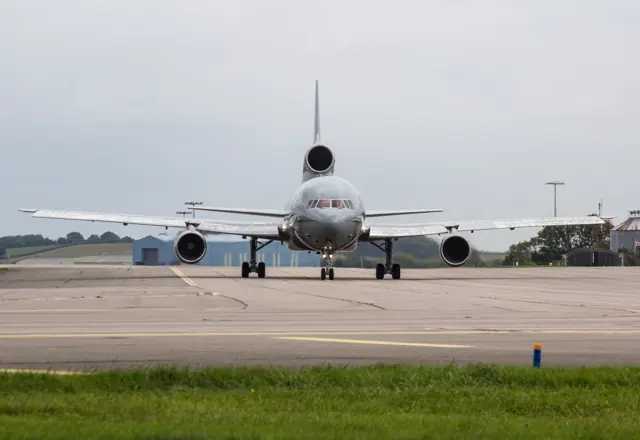
Lockheed's wide-body TriStar, with three RB211 engines and a distinctive tail intake.
Regional flying built around a high wing, two turboprops and short sectors.
A push-pull twin with one engine at each end of the central fuselage.
An open, single-seat ultralight with its propeller behind the pilot.
This is AirframeDB’s first release. More features and aircraft research are planned. Leave your email if you’d like occasional updates.