MSFS
Beechcraft Duke ↗
A pressurised touring twin whose piston and turbine-conversion versions make a particularly interesting comparison.
1 implementations+ Compare
Explore the aircraft. Find your simulator. Follow the sources.
A pressurised touring twin whose piston and turbine-conversion versions make a particularly interesting comparison.
A very large single-engine biplane designed for practical work from modest airfields.
A box-shaped utility twin whose cabin and rear access are central to its design.
The purpose-built Ryan monoplane used by Charles Lindbergh for his 1927 solo Atlantic crossing.
A two-seat training single with a high wing and fixed tricycle landing gear.
A wooden touring-aircraft family recognisable by the upward-angled outer wing panels.
An enclosed-cabin development of the Bell 47, shaped for passenger and executive transport.
A four-seat high-wing single that spans generations of conventional instruments and glass cockpits.
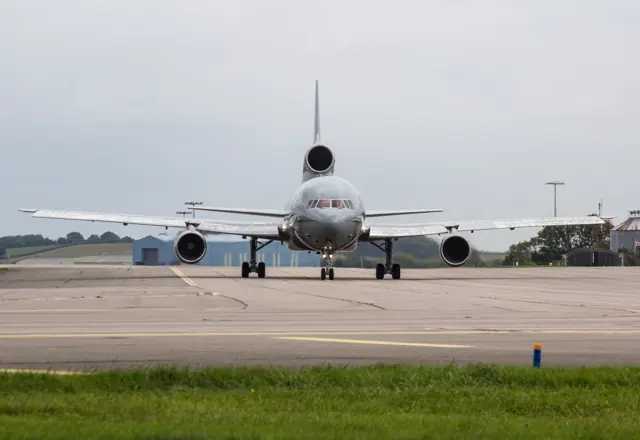
Lockheed's wide-body TriStar, with three RB211 engines and a distinctive tail intake.
A tandem two-seat sailplane family used for training and cross-country soaring.
A wide-cabin business-jet family that developed from Canadair's original Challenger programme.
A four-bladed utility helicopter developed from the LongRanger lineage.
A rear-engined trijet built to bring jet service to shorter routes and smaller airports.
A French two-seat aerobatic trainer with side-by-side seating and a distinctive curved wing outline.
Tecnam's four-seat high-wing single, built with metal and carbon-fibre components.
Piper's two-seat trainer with fixed tricycle landing gear.
Two related Dutch regional jets developed from the F28 lineage.
A pioneering all-metal transport with an enclosed passenger cabin and corrugated skin.
The CJ4 belongs to Cessna's light-jet line, with two rear-mounted engines and a T-tail.
An enlarged Velocity kit aircraft with a canard and rear-mounted pusher propeller.
The four-engine Flying Fortress, a major American bomber of the Second World War.
A stretched development of the DC-9 with rear-mounted engines and a five-abreast cabin.
An unpowered military cargo glider designed to deliver troops and equipment behind a tow aircraft.
A twin-turbine Huey descendant with a four-blade main rotor.
This is AirframeDB’s first release. More features and aircraft research are planned. Leave your email if you’d like occasional updates.