MSFS X-Plane
Diamond DA20 / DV20 ↗
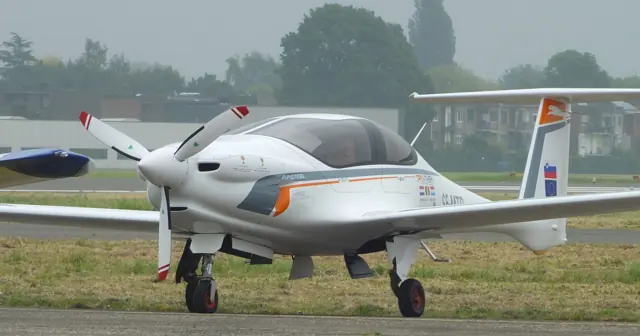
A two-seat composite trainer with a low wing and a large canopy.
3 implementations+ Compare
Explore the aircraft. Find your simulator. Follow the sources.
A two-seat composite trainer with a low wing and a large canopy.
A four-seat high-wing single that spans generations of conventional instruments and glass cockpits.
A composite touring single with a whole-aircraft parachute and several generations of avionics.
The Stationair utility family, combining a high wing with fixed landing gear.
A two-seat composite kit aircraft developed from the Lancair 320.
A small observation-helicopter family with a rounded cabin and compact rotor system.
A heavy transport helicopter whose two large rotors remove the need for a tail rotor.
Epic's experimental light-jet project, represented in simulation by Aerobask.
A compact Italian light twin with a shoulder wing and metal airframe.
A light business jet with a swept wing, rear-mounted engines and an integrated flight deck.
Pipistrel's streamlined four-seat composite-aircraft design.
A compact twin-engine transport helicopter with retractable gear and a long development history.
Piper's two-seat trainer with fixed tricycle landing gear.
A very light twin jet developed from the Eclipse 500.
A light turbine helicopter combining an Alouette II airframe with more powerful Alouette III components.
A four-seat, pressurised kit aircraft with a composite airframe and retractable landing gear.
A tandem-seat light aircraft with a streamlined low-wing layout.
A long-range strategic bomber with a swept wing and eight jet engines in paired pods.
A swept-wing business jet designed around high subsonic cruise speed.
A twin-aisle Boeing designed alongside the 757's generation of two-pilot flight decks.
A long-range trijet developed from the DC-10 with a stretched fuselage and revised wing and cockpit.
A modern composite twin with a roomy cabin and two wing-mounted piston engines.
A pressurised single-engine turboprop family that combines a compact cabin with retractable gear.
A twin-turboprop family whose smaller conventional-tail and larger T-tail branches have distinct identities.
This is AirframeDB’s first release. More features and aircraft research are planned. Leave your email if you’d like occasional updates.