MSFS
Junkers JU 52 ↗
A corrugated-metal transport best known in its three-engine form.
1 implementations+ Compare
Explore the aircraft. Find your simulator. Follow the sources.
A corrugated-metal transport best known in its three-engine form.
A pressurised twin turboprop with a canard, composite airframe and rear-facing propellers.
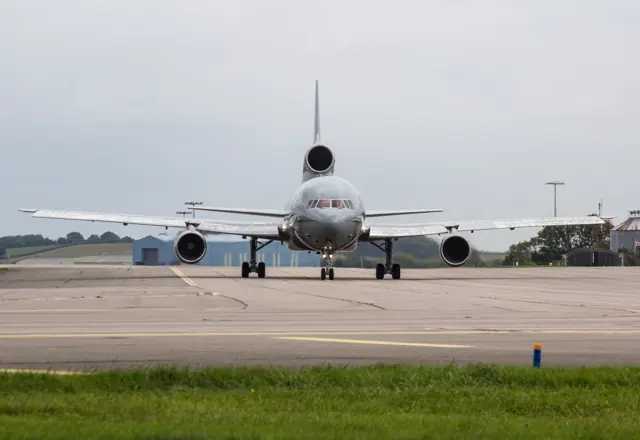
Lockheed's wide-body TriStar, with three RB211 engines and a distinctive tail intake.
An amphibious turboprop designed around scooping water and delivering it to fires.
The CJ4 belongs to Cessna's light-jet line, with two rear-mounted engines and a T-tail.
A single-engine turboprop workhorse for passenger services, freight and remote-area transport.
A twin-engine utility helicopter with roots in the BK 117 and EC145 families.
A swept-wing business jet designed around high subsonic cruise speed.
A post-war Czech light twin with a rounded cabin and engines carried on a low wing.
The JetRanger and LongRanger family: a familiar turbine-helicopter shape with distinct cabin lengths.
A purpose-built agricultural aircraft that also became a single-engine air tanker.
A radial-engine trainer that also served in combat and civilian warbird roles.
A stretched development of the DC-9 with rear-mounted engines and a five-abreast cabin.
A high-wing utility turboprop designed for short-field passenger and cargo work.
A lightweight short-field aircraft with a specialised wing and tall, shock-absorbing landing gear.
A twin-turboprop utility aircraft developed by Reims Aviation with Cessna.
Cessna's retractable-gear Centurion, a high-wing touring aircraft.
The Huey: a turbine-powered utility helicopter with a broad cabin and an unmistakable two-bladed rotor.
A family of single-aisle airliners built around sidesticks, electronic flight controls and a shared cockpit.
A radial-engined utility aircraft closely associated with bush flying and float operations.
A fixed-wing observation aircraft with a helicopter-like view from its glazed nose.
A pressurised four-engine piston transport from the last major generation before the jet airliner.
The second-generation Harrier, designed around vectored thrust and short-field operation.
A huge wooden flying-boat prototype that made one brief flight in 1947.
This is AirframeDB’s first release. More features and aircraft research are planned. Leave your email if you’d like occasional updates.