X-Plane
Piper PA-31 Navajo ↗
Piper's PA-31 utility twin, used in commuter, cargo and corporate transport.
1 implementations+ Compare
Explore the aircraft. Find your simulator. Follow the sources.
Piper's PA-31 utility twin, used in commuter, cargo and corporate transport.
An Italian light aircraft known for military training and aerobatic use.
A pressurised touring twin whose piston and turbine-conversion versions make a particularly interesting comparison.
A short-haul jet family that evolved through several generations of engines, wings and flight decks.
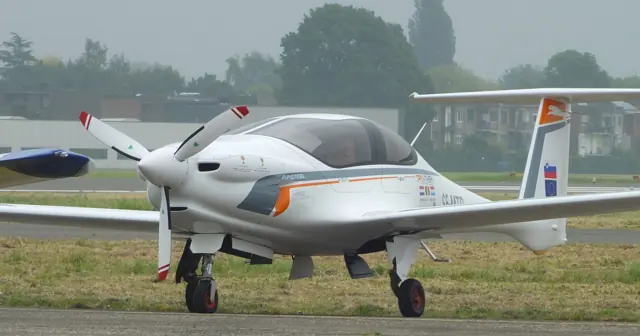
Pipistrel's streamlined four-seat composite-aircraft design.
A utility piston twin designed for commuter and specialist transport missions.
A tandem-seat utility aircraft whose light structure and high wing suit bush, towing and recreational work.
A Brazilian light trainer with a high wing, tandem seats and a simple utility layout.
A six-seat composite single turboprop with a pressurised cabin and retractable gear.
A long-haul twin whose family spans passenger, freight and specialist transport roles.
A hybrid-electric regional-airliner concept represented in the simulator while the real programme develops.
The Stationair utility family, combining a high wing with fixed landing gear.
A radial-engine trainer that also served in combat and civilian warbird roles.
A 1920s transport family that developed from a single-engine airliner into a trimotor.
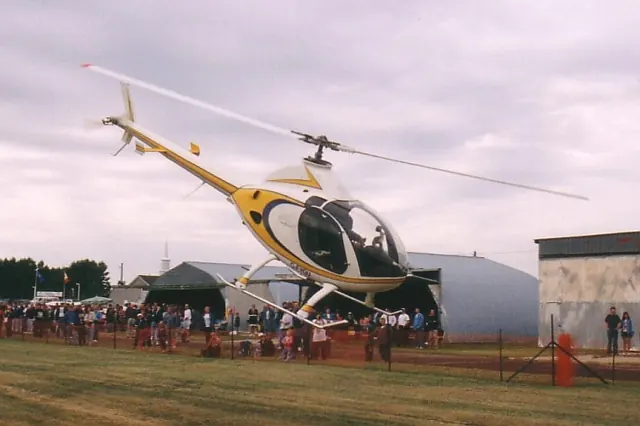
RotorWay's two-seat kit-helicopter family, with piston and turbine simulator interpretations.
A modern utility single whose family includes both tailwheel and nosewheel configurations.
A two-seat naval fighter with variable-sweep wings and a cockpit built around pilot and radar-intercept officer roles.
A tandem two-seat sailplane family used for training and cross-country soaring.
A pressurised twin turboprop with a canard, composite airframe and rear-facing propellers.
A single-seat aerobatic monoplane that also became a familiar air-racing aircraft.
The second-generation Harrier, designed around vectored thrust and short-field operation.
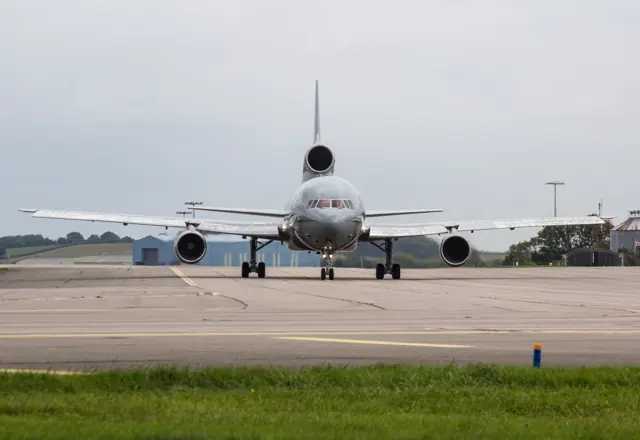
Lockheed's wide-body TriStar, with three RB211 engines and a distinctive tail intake.
A stretched development of the DC-9 with rear-mounted engines and a five-abreast cabin.
A self-launching sailplane family with its engine inside the fuselage and a folding nose propeller.
This is AirframeDB’s first release. More features and aircraft research are planned. Leave your email if you’d like occasional updates.