X-Plane
Lockheed SR-71 ↗
A specialised reconnaissance aircraft designed for very high altitude and sustained supersonic flight.
1 implementations+ Compare
Explore the aircraft. Find your simulator. Follow the sources.
A specialised reconnaissance aircraft designed for very high altitude and sustained supersonic flight.
A radial-engine trainer that also served in combat and civilian warbird roles.
Piper's two-seat trainer with fixed tricycle landing gear.
SOCATA's touring-aircraft family, including the Tobago and Trinidad.
A tandem two-seat sailplane designed for instruction and broader soaring use.
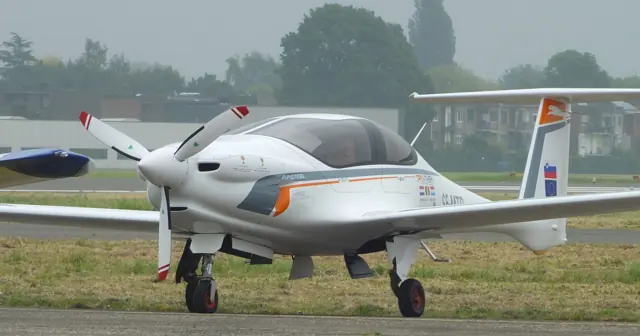
Pipistrel's streamlined four-seat composite-aircraft design.
A four-seat high-wing single that spans generations of conventional instruments and glass cockpits.
An amphibious turboprop designed around scooping water and delivering it to fires.
A four-engine military turboprop designed to combine tactical access with long-distance transport.
Beechcraft's Model 76, designed to introduce pilots to twin-engine flying.
A post-war Businessliner with a radial engine, cabin transport ambitions and tailwheel gear.
The H130 utility helicopter, descended from the AS350 and fitted with a Fenestron.
A six-engine flying boat created for long-distance passenger travel over water.
A shorter wide-body Airbus from the transition to two-pilot, electronic-instrument cockpits.
An open, single-seat ultralight with its propeller behind the pilot.
The Stationair utility family, combining a high wing with fixed landing gear.
An enlarged Velocity kit aircraft with a canard and rear-mounted pusher propeller.
A three-engine airliner that became a mainstay of Soviet and Russian passenger transport.
A carbon-fibre aerobatic monoplane family with a dedicated air-racing branch.
A heavy transport helicopter whose two large rotors remove the need for a tail rotor.
The Huey: a turbine-powered utility helicopter with a broad cabin and an unmistakable two-bladed rotor.
A purpose-built agricultural aircraft that also became a single-engine air tanker.
A push-pull twin with one engine at each end of the central fuselage.
The second-generation Harrier, designed around vectored thrust and short-field operation.
This is AirframeDB’s first release. More features and aircraft research are planned. Leave your email if you’d like occasional updates.