X-Plane
Britten-Norman Islander ↗
A British utility twin built around short regional and practical transport work.
2 implementations+ Compare
Explore the aircraft. Find your simulator. Follow the sources.
A British utility twin built around short regional and practical transport work.
A wooden touring-aircraft family recognisable by the upward-angled outer wing panels.
A modern medium twin-engine helicopter developed as a successor to the Dauphin line.
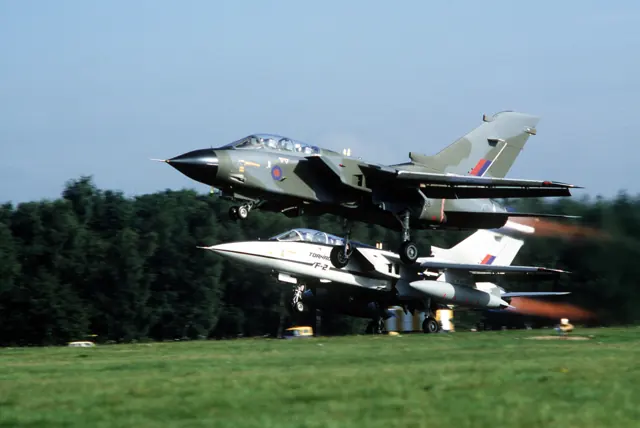
A European variable-sweep combat-aircraft family with distinct strike and interceptor versions.
Two related Dutch regional jets developed from the F28 lineage.
A stretched development of the DC-9 with rear-mounted engines and a five-abreast cabin.
A two-seat training single with a high wing and fixed tricycle landing gear.
A pioneering all-metal transport with an enclosed passenger cabin and corrugated skin.
A hybrid-electric regional-airliner concept represented in the simulator while the real programme develops.
A four-engine jetliner that helped establish the shape of long-distance jet travel.
A 1920s transport family that developed from a single-engine airliner into a trimotor.
A streamlined twin-engine helicopter with a Fenestron tail rotor and retractable landing gear.
A composite, low-wing touring single with fixed gear and a turbocharged engine.
The Wilga is the real-aircraft starting point for Mike Patey's DRACO and the simulator's DRACO X.
A four-engine tactical transport built around a rear loading ramp and access to austere airfields.
A wartime fighter developed from the earlier Curtiss P-36.
A radial-engine trainer that also served in combat and civilian warbird roles.
A Polish utility aircraft designed for short takeoffs and landings.
A corrugated-metal transport best known in its three-engine form.
A high-wing utility turboprop designed for short-field passenger and cargo work.
A tailwheel utility single built around a high wing and a substantial working cabin.
A tandem-seat jet trainer that also found a second life in civilian display and racing.
A shorter wide-body Airbus from the transition to two-pilot, electronic-instrument cockpits.
A push-pull twin with one engine at each end of the central fuselage.
This is AirframeDB’s first release. More features and aircraft research are planned. Leave your email if you’d like occasional updates.