MSFS
De Havilland Canada CL-415 ↗
An amphibious turboprop designed around scooping water and delivering it to fires.
1 implementations+ Compare
Explore the aircraft. Find your simulator. Follow the sources.
An amphibious turboprop designed around scooping water and delivering it to fires.
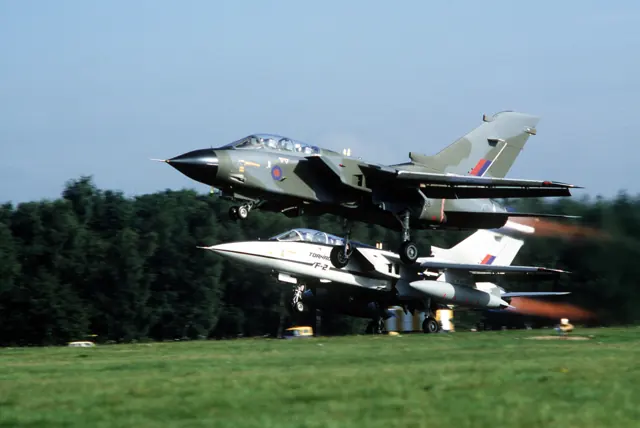
A European variable-sweep combat-aircraft family with distinct strike and interceptor versions.
A two-seat naval fighter with variable-sweep wings and a cockpit built around pilot and radar-intercept officer roles.
A compact aerobatic biplane family with both single-seat and tandem-seat branches.
A close-air-support aircraft with a straight wing, twin tail and two widely separated jet engines.
Ted Smith's piston twin, later produced by Piper as the Aerostar.
A six-engine flying boat created for long-distance passenger travel over water.
A four-engine airliner that brought pressurised-cabin travel into scheduled service.
A turbine-powered utility helicopter with a broad cabin and a long international service history.
A two-seat light amphibian with a compact boat hull and a pusher propeller.
A wartime fighter developed from the earlier Curtiss P-36.
Airbus's first production aircraft, built around a twin-engine wide-body layout.
An open-cockpit biplane trainer that found a second life in civilian flying.
A personal jet with one engine above the rear fuselage and a distinctive V-tail.
A four-bladed utility helicopter developed from the LongRanger lineage.
A 1920s transport family that developed from a single-engine airliner into a trimotor.
A huge wooden flying-boat prototype that made one brief flight in 1947.
Tecnam's four-seat high-wing single, built with metal and carbon-fibre components.
A box-shaped utility twin whose cabin and rear access are central to its design.
A compact two-seat light aircraft with a high wing and a wide range of development variants.
A British utility twin built around short regional and practical transport work.
A composite amphibian that carries Dornier's centreline engine arrangement into the turboprop era.
A small three-engine demonstrator created to explore technologies for a future supersonic airliner.
The second-generation Harrier, designed around vectored thrust and short-field operation.
This is AirframeDB’s first release. More features and aircraft research are planned. Leave your email if you’d like occasional updates.