X-Plane
Epic Victory ↗
Epic's experimental light-jet project, represented in simulation by Aerobask.
1 implementations+ Compare
Explore the aircraft. Find your simulator. Follow the sources.
Epic's experimental light-jet project, represented in simulation by Aerobask.
An open, single-seat ultralight with its propeller behind the pilot.
A two-seat, twin-engine fighter that served naval and land-based air forces in many roles.
A two-seat light amphibian with a compact boat hull and a pusher propeller.
A hybrid-electric regional-airliner concept represented in the simulator while the real programme develops.
The purpose-built Ryan monoplane used by Charles Lindbergh for his 1927 solo Atlantic crossing.
A low-wing agricultural Cessna with a cockpit and hopper arranged around the job.
A composite amphibian that carries Dornier's centreline engine arrangement into the turboprop era.
A four-engine Airbus wide-body developed in parallel with the A330.
Tecnam's four-seat high-wing single, built with metal and carbon-fibre components.
The Wilga is the real-aircraft starting point for Mike Patey's DRACO and the simulator's DRACO X.
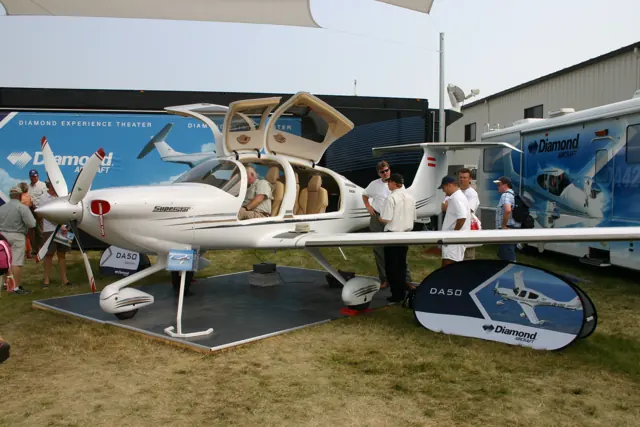
A five-seat composite single whose development led to the diesel DA50 RG.
A post-war Czech light twin with a rounded cabin and engines carried on a low wing.
SOCATA's touring-aircraft family, including the Tobago and Trinidad.
The Model 525 CitationJet, the starting point of Cessna's CJ and M2 lineage.
A twin-engine utility helicopter with roots in the BK 117 and EC145 families.
A family of single-aisle airliners built around sidesticks, electronic flight controls and a shared cockpit.
A push-pull twin with one engine at each end of the central fuselage.
A British jet trainer with tandem seating and a long military training career.
A modern medium twin-engine helicopter developed as a successor to the Dauphin line.
A twin-hull flying boat with its engines mounted together above the wing.
Cessna's retractable-gear Centurion, a high-wing touring aircraft.
A purpose-built aerobatic monoplane family developed by pilot and designer Walter Extra.
The second-generation Harrier, designed around vectored thrust and short-field operation.
This is AirframeDB’s first release. More features and aircraft research are planned. Leave your email if you’d like occasional updates.