MSFS
Zivko Edge 540 ↗
A single-seat aerobatic monoplane that also became a familiar air-racing aircraft.
1 implementations+ Compare
Explore the aircraft. Find your simulator. Follow the sources.
A single-seat aerobatic monoplane that also became a familiar air-racing aircraft.
A compact twin-engine helicopter widely used for medical, police and training work.
A twin-hull flying boat with its engines mounted together above the wing.
A long-running touring single, familiar in both V-tail and conventional-tail forms.
A light tandem-seat taildragger built around the familiar braced high-wing layout.
Diamond's four-seat light twin, developed with diesel-powered versions.
A twin-turbine Huey descendant with a four-blade main rotor.
A heavy transport helicopter whose two large rotors remove the need for a tail rotor.
A European variable-sweep combat-aircraft family with distinct strike and interceptor versions.
A Polish utility aircraft designed for short takeoffs and landings.
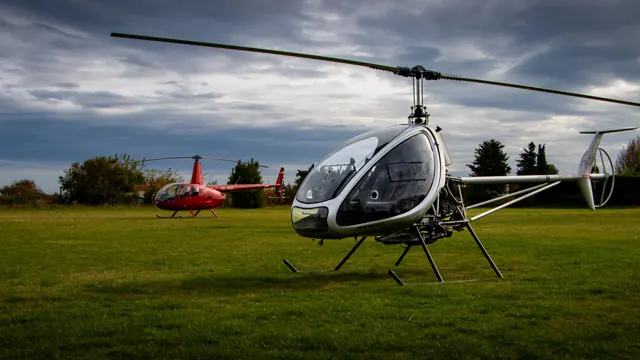
A modern two-seat piston helicopter designed around the training role.
A two-seat powered hang-glider trike with an open cockpit.
The tip-tanked turbofan Learjets, combining the classic compact airframe with longer range and careers in business, military and medical flying.
Airbus's first production aircraft, built around a twin-engine wide-body layout.
A three-engine airliner that became a mainstay of Soviet and Russian passenger transport.
A British utility twin built around short regional and practical transport work.
A side-by-side military trainer with a low wing and fixed tricycle landing gear.
Pipistrel's streamlined four-seat composite-aircraft design.
Avro's delta-wing bomber, developed for Britain's postwar strategic force.
A single-engine utility helicopter known as the Écureuil, Squirrel and AStar.
A Belgian light helicopter with two seats arranged side by side.
A purpose-built aerobatic monoplane family developed by pilot and designer Walter Extra.
An enclosed-cabin development of the Bell 47, shaped for passenger and executive transport.
A twin-turboprop family whose smaller conventional-tail and larger T-tail branches have distinct identities.
New aircraft, useful sources and improvements to AirframeDB. Occasional updates, when there’s something to share.