MSFS
Airbus H145 ↗
A twin-engine utility helicopter with roots in the BK 117 and EC145 families.
1 implementations+ Compare
Explore the aircraft. Find your simulator. Follow the sources.
A twin-engine utility helicopter with roots in the BK 117 and EC145 families.
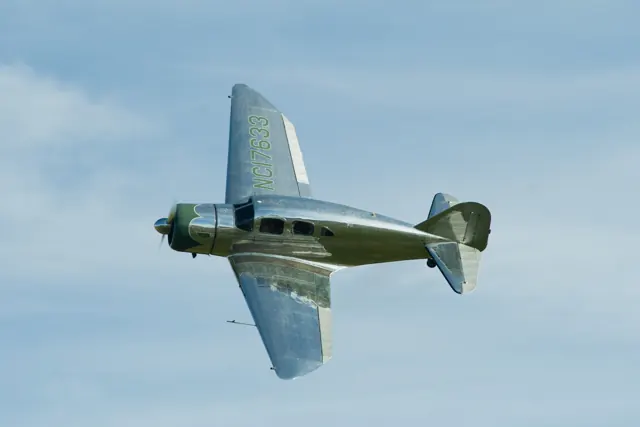
A late-1930s cabin aircraft with metal construction and retractable landing gear.
A fixed-gear twin turboprop with a long history in regional and remote-area transport.
A compact racing aeroplane built around a large radial engine and very short fuselage.
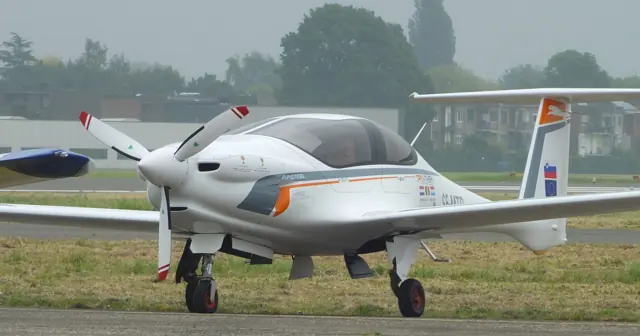
Pipistrel's streamlined four-seat composite-aircraft design.
A light tandem-seat taildragger built around the familiar braced high-wing layout.
A military liaison aircraft built around a high wing, tandem cabin and short-field utility work.
A short-field Savage with leading-edge slats and a distinct Got Friends simulator implementation.
A family of single-aisle airliners built around sidesticks, electronic flight controls and a shared cockpit.
A military transport developed from the DC-3, used for cargo, troops, parachuting and glider towing.
A small twin-engine amphibian that moved from business transport into military and utility service.
The CJ4 belongs to Cessna's light-jet line, with two rear-mounted engines and a T-tail.
A modern composite twin with a roomy cabin and two wing-mounted piston engines.
A high-wing utility aircraft known for short-field work and a broad choice of working configurations.
A twin-hull flying boat with its engines mounted together above the wing.
A Swedish reconnaissance and dive-bombing aircraft from the early 1940s.
A two-seat composite light-aircraft family with a high wing and a compact enclosed cabin.
A tandem two-seat sailplane family used for training and cross-country soaring.
The purpose-built Ryan monoplane used by Charles Lindbergh for his 1927 solo Atlantic crossing.
A low-wing piston twin that carries the Beechcraft touring-aircraft lineage into two-engine flying.
A twin-engine business jet designed to retain some of the utility flexibility associated with the PC-12.
A corrugated-metal, three-engine transport from the formative years of airline travel.
A vast inter-war flying boat with twelve engines arranged in six paired installations.
The second-generation Harrier, designed around vectored thrust and short-field operation.
This is AirframeDB’s first release. More features and aircraft research are planned. Leave your email if you’d like occasional updates.