MSFS
Ryan NYP “Spirit of St. Louis” ↗
The purpose-built Ryan monoplane used by Charles Lindbergh for his 1927 solo Atlantic crossing.
2 implementations+ Compare
Explore the aircraft. Find your simulator. Follow the sources.
The purpose-built Ryan monoplane used by Charles Lindbergh for his 1927 solo Atlantic crossing.
A military liaison aircraft built around a high wing, tandem cabin and short-field utility work.
A specialised reconnaissance aircraft designed for very high altitude and sustained supersonic flight.
A tandem-seat jet trainer that also found a second life in civilian display and racing.
A pressurised touring twin whose piston and turbine-conversion versions make a particularly interesting comparison.
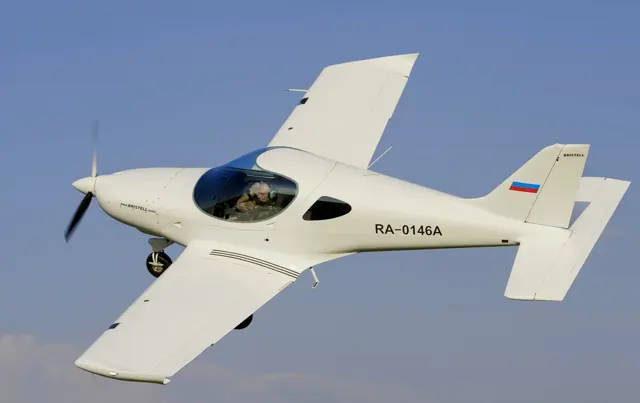
BRM Aero's two-seat B23, represented in MSFS by Airfoillabs.
A utility piston twin designed for commuter and specialist transport missions.
A Canadian tandem-seat trainer developed after the Second World War.
A super-midsize business jet with a swept wing, rear-mounted engines and an integrated glass cockpit.
A French two-seat aerobatic trainer with side-by-side seating and a distinctive curved wing outline.
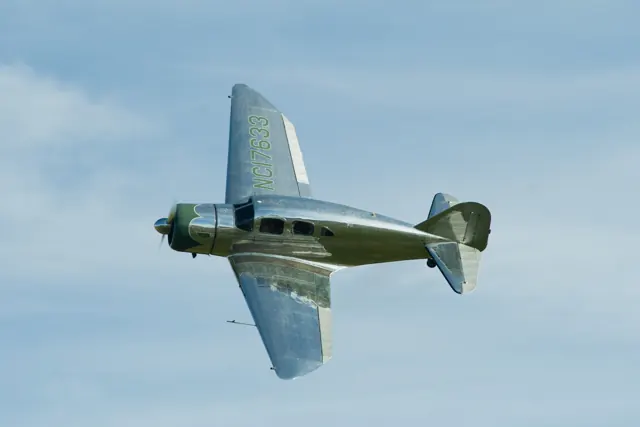
A late-1930s cabin aircraft with metal construction and retractable landing gear.
A tandem-seat homebuilt jet with composite construction and retractable landing gear.
A two-seat composite trainer with a low wing and a large canopy.
A twin-hull flying boat with its engines mounted together above the wing.
Piper's two-seat trainer with fixed tricycle landing gear.
A fixed-wing observation aircraft with a helicopter-like view from its glazed nose.
A pressurised single-engine turboprop family that combines a compact cabin with retractable gear.
A military transport developed from the DC-3, used for cargo, troops, parachuting and glider towing.
An open, single-seat ultralight with its propeller behind the pilot.
A low-wing piston twin that carries the Beechcraft touring-aircraft lineage into two-engine flying.
A small twin-engine amphibian that moved from business transport into military and utility service.
The four-engine wide-body whose raised flight deck created one of aviation's most recognisable profiles.
A stretched development of the DC-9 with rear-mounted engines and a five-abreast cabin.
A post-war Czech light twin with a rounded cabin and engines carried on a low wing.
This is AirframeDB’s first release. More features and aircraft research are planned. Leave your email if you’d like occasional updates.