MSFS
Boom XB-1 ↗
A small three-engine demonstrator created to explore technologies for a future supersonic airliner.
1 implementations+ Compare
Explore the aircraft. Find your simulator. Follow the sources.
A small three-engine demonstrator created to explore technologies for a future supersonic airliner.
A compact utility helicopter distinguished by its enclosed Fenestron tail rotor.
A single-engine utility helicopter known as the Écureuil, Squirrel and AStar.
A composite amphibian that carries Dornier's centreline engine arrangement into the turboprop era.
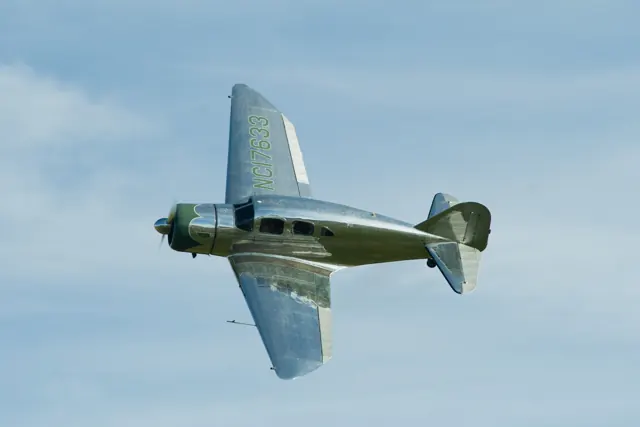
A late-1930s cabin aircraft with metal construction and retractable landing gear.
A shorter wide-body Airbus from the transition to two-pilot, electronic-instrument cockpits.
A tandem-seat utility aircraft whose light structure and high wing suit bush, towing and recreational work.
A pioneering all-metal transport with an enclosed passenger cabin and corrugated skin.
A long-range fighter whose different engine and canopy developments produced several distinct forms.
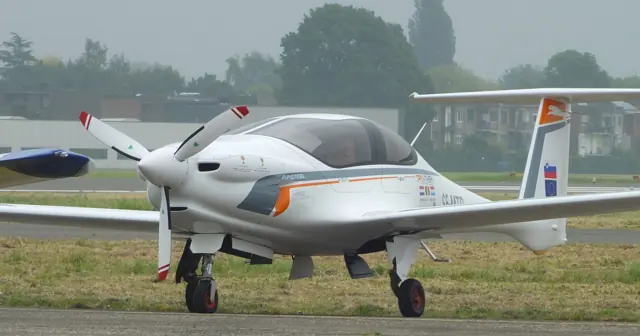
Pipistrel's streamlined four-seat composite-aircraft design.
A two-seat composite trainer with a low wing and a large canopy.
A pressurised single-engine turboprop family that combines a compact cabin with retractable gear.
A post-war Czech light twin with a rounded cabin and engines carried on a low wing.
The CJ4 belongs to Cessna's light-jet line, with two rear-mounted engines and a T-tail.
A small twin-engine amphibian that moved from business transport into military and utility service.
A modern medium twin-engine helicopter developed as a successor to the Dauphin line.
A stretched development of the DC-9 with rear-mounted engines and a five-abreast cabin.
A British jet trainer with tandem seating and a long military training career.
A wooden touring-aircraft family recognisable by the upward-angled outer wing panels.
A carbon-fibre aerobatic monoplane family with a dedicated air-racing branch.
A cabin-class piston twin designed for commuter, cargo and utility work.
The second-generation Harrier, designed around vectored thrust and short-field operation.
A twin-radial military transport with a rear ramp and short-field design priorities.
A Swedish reconnaissance and dive-bombing aircraft from the early 1940s.
This is AirframeDB’s first release. More features and aircraft research are planned. Leave your email if you’d like occasional updates.