MSFS
Aero Vodochody L-39 ↗
A tandem-seat jet trainer that also found a second life in civilian display and racing.
1 implementations+ Compare
Explore the aircraft. Find your simulator. Follow the sources.
A tandem-seat jet trainer that also found a second life in civilian display and racing.
A self-launching sailplane family with its engine inside the fuselage and a folding nose propeller.
A large twin-radial transport that carried heavy loads through wartime and post-war freight service.
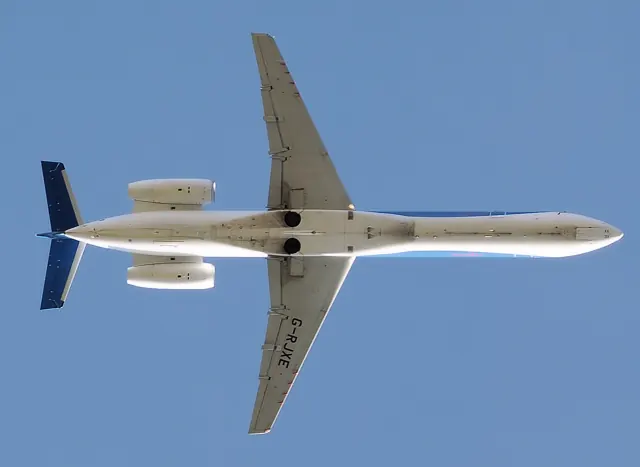
Embraer's regional-jet family, from the ERJ 135 to the longer ERJ 145.
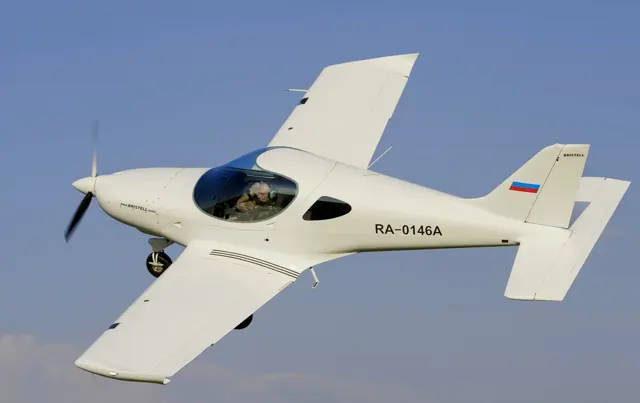
BRM Aero's two-seat B23, represented in MSFS by Airfoillabs.
An enlarged Velocity kit aircraft with a canard and rear-mounted pusher propeller.
A four-seat, pressurised kit aircraft with a composite airframe and retractable landing gear.
A cabin-class piston twin designed for commuter, cargo and utility work.
The four-engine Flying Fortress, a major American bomber of the Second World War.
The purpose-built Ryan monoplane used by Charles Lindbergh for his 1927 solo Atlantic crossing.
A pioneering all-metal transport with an enclosed passenger cabin and corrugated skin.
A wartime fighter developed from the earlier Curtiss P-36.
A specialised reconnaissance aircraft designed for very high altitude and sustained supersonic flight.
Lockheed's tandem-seat Shooting Star jet trainer.
SOCATA's touring-aircraft family, including the Tobago and Trinidad.
A small two-seat piston helicopter with a two-bladed main rotor.
A personal jet with one engine above the rear fuselage and a distinctive V-tail.
TorqueSim's Pocket Rocket, a simulated PT6-powered light aircraft with two gear layouts.
The Mitchell medium bomber, named for aviation advocate Billy Mitchell.
A military liaison aircraft built around a high wing, tandem cabin and short-field utility work.
Two related Dutch regional jets developed from the F28 lineage.
A modern medium twin-engine helicopter developed as a successor to the Dauphin line.
A compact aerobatic biplane family with both single-seat and tandem-seat branches.
A twin-turboprop family whose smaller conventional-tail and larger T-tail branches have distinct identities.
This is AirframeDB’s first release. More features and aircraft research are planned. Leave your email if you’d like occasional updates.