MSFS
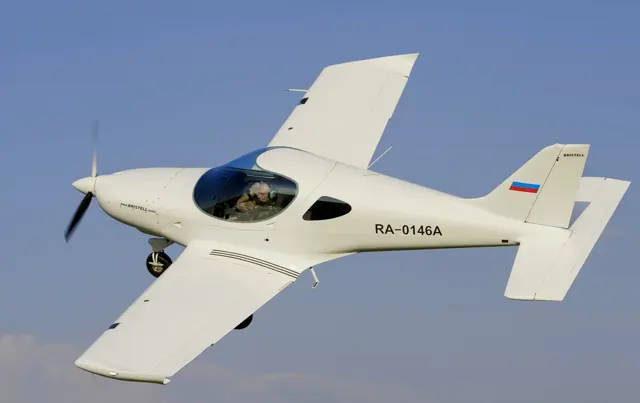
Pipistrel Virus SW 121 ↗
A compact two-seat light aircraft with a high wing and a wide range of development variants.
2 implementations+ Compare
Explore the aircraft. Find your simulator. Follow the sources.
A compact two-seat light aircraft with a high wing and a wide range of development variants.
A two-seat composite trainer with a low wing and a large canopy.
A four-engine airliner that brought pressurised-cabin travel into scheduled service.
Piper's PA-31 utility twin, used in commuter, cargo and corporate transport.
A four-seat composite touring and training aircraft developed from Diamond's smaller two-seater.
A composite, low-wing touring single with fixed gear and a turbocharged engine.
A compact utility helicopter distinguished by its enclosed Fenestron tail rotor.
Cessna's retractable-gear Centurion, a high-wing touring aircraft.
The second-generation Harrier, designed around vectored thrust and short-field operation.
The four-engine wide-body whose raised flight deck created one of aviation's most recognisable profiles.
The four-engine Flying Fortress, a major American bomber of the Second World War.
A long-range strategic bomber with a swept wing and eight jet engines in paired pods.
A two-seat naval fighter with variable-sweep wings and a cockpit built around pilot and radar-intercept officer roles.
A streamlined light twin helicopter, with the later Bell 230 in the same family.
A post-war Businessliner with a radial engine, cabin transport ambitions and tailwheel gear.
BRM Aero's two-seat B23, represented in MSFS by Airfoillabs.
A composite amphibian that carries Dornier's centreline engine arrangement into the turboprop era.
A utility-aircraft family whose stretched 207 branch trades compact proportions for more cabin space.
A wide-cabin business-jet family that developed from Canadair's original Challenger programme.
An enlarged Velocity kit aircraft with a canard and rear-mounted pusher propeller.
A twin-radial military transport with a rear ramp and short-field design priorities.
A compact Italian light twin with a shoulder wing and metal airframe.
The Wilga is the real-aircraft starting point for Mike Patey's DRACO and the simulator's DRACO X.
A rear-engined trijet built to bring jet service to shorter routes and smaller airports.
This is AirframeDB’s first release. More features and aircraft research are planned. Leave your email if you’d like occasional updates.