MSFS
Velocity XL ↗
An enlarged Velocity kit aircraft with a canard and rear-mounted pusher propeller.
1 implementations+ Compare
Explore the aircraft. Find your simulator. Follow the sources.
An enlarged Velocity kit aircraft with a canard and rear-mounted pusher propeller.
A tandem two-seat sailplane designed for instruction and broader soaring use.
A stretched development of the DC-9 with rear-mounted engines and a five-abreast cabin.
A long-range trijet developed from the DC-10 with a stretched fuselage and revised wing and cockpit.
A simulated twin-turbine helicopter that explores no-tail-rotor anti-torque control.
A late-1930s cabin aircraft with metal construction and retractable landing gear.
A compact twin-engine helicopter widely used for medical, police and training work.
A late-war single-seat jet fighter with its engine mounted above the fuselage.
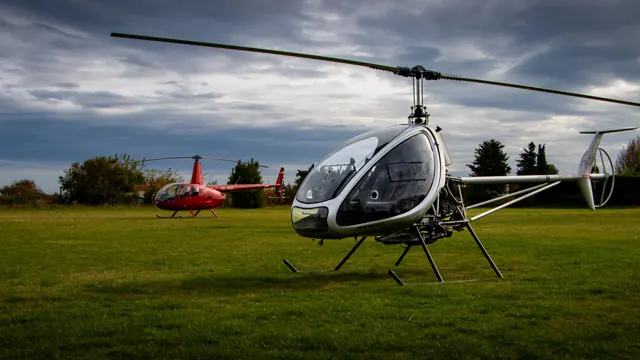
A pioneering light helicopter whose bubble cabin and exposed structure became widely recognisable.
A box-shaped utility twin whose cabin and rear access are central to its design.
A Belgian light helicopter with two seats arranged side by side.
A turbine-powered utility helicopter with a broad cabin and a long international service history.
A French two-seat aerobatic trainer with side-by-side seating and a distinctive curved wing outline.
A low-wing piston twin that carries the Beechcraft touring-aircraft lineage into two-engine flying.
The Mitchell medium bomber, named for aviation advocate Billy Mitchell.
A twin-aisle Boeing designed alongside the 757's generation of two-pilot flight decks.
A compact rear-engined jet designed for short-haul regional airline work.
A cabin biplane with the lower wing placed ahead of the upper one.
A Canadian tandem-seat trainer developed after the Second World War.
A compact aerobatic biplane family with both single-seat and tandem-seat branches.
Beechcraft's Model 76, designed to introduce pilots to twin-engine flying.
A jet-powered military transport designed for both strategic loads and tactical airfield access.
A personal jet with one engine above the rear fuselage and a distinctive V-tail.
This is AirframeDB’s first release. More features and aircraft research are planned. Leave your email if you’d like occasional updates.