X-Plane
Boeing 767 ↗
A twin-aisle Boeing designed alongside the 757's generation of two-pilot flight decks.
1 implementations+ Compare
Explore the aircraft. Find your simulator. Follow the sources.
A twin-aisle Boeing designed alongside the 757's generation of two-pilot flight decks.
A British jet trainer with tandem seating and a long military training career.
A light business jet with a swept wing, rear-mounted engines and an integrated flight deck.
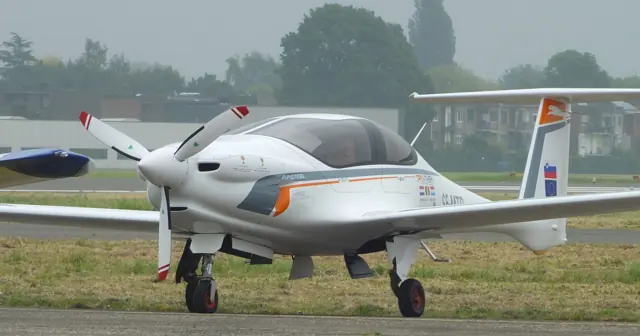
Pipistrel's streamlined four-seat composite-aircraft design.
A compact Italian light twin with a shoulder wing and metal airframe.
A modern composite twin with a roomy cabin and two wing-mounted piston engines.
A tandem-seat light aircraft with a streamlined low-wing layout.
SOCATA's touring-aircraft family, including the Tobago and Trinidad.
Piper's PA-31 utility twin, used in commuter, cargo and corporate transport.
A twin-turbine Huey descendant with a four-blade main rotor.
A radial-engined utility aircraft closely associated with bush flying and float operations.
A heavy transport helicopter whose two large rotors remove the need for a tail rotor.
A two-seat, twin-engine fighter that served naval and land-based air forces in many roles.
A medium commercial helicopter designed for passenger and utility transport.
A light turbine helicopter combining an Alouette II airframe with more powerful Alouette III components.
A Canadian tandem-seat trainer developed after the Second World War.
A low-wing piston family that spans simple trainers, touring aircraft and retractable-gear Arrows.
A long-running touring single, familiar in both V-tail and conventional-tail forms.
The Stationair utility family, combining a high wing with fixed landing gear.
A long-range strategic bomber with a swept wing and eight jet engines in paired pods.
A specialised reconnaissance aircraft designed for very high altitude and sustained supersonic flight.
A small two-seat piston helicopter with a two-bladed main rotor.
A tandem-seat homebuilt jet with composite construction and retractable landing gear.
A push-pull twin with one engine at each end of the central fuselage.
This is AirframeDB’s first release. More features and aircraft research are planned. Leave your email if you’d like occasional updates.