X-Plane
Embraer Phenom 300 ↗
A light business jet with a swept wing, rear-mounted engines and an integrated flight deck.
1 implementations+ Compare
Explore the aircraft. Find your simulator. Follow the sources.
A light business jet with a swept wing, rear-mounted engines and an integrated flight deck.
A post-war Czech light twin with a rounded cabin and engines carried on a low wing.
A composite amphibian that carries Dornier's centreline engine arrangement into the turboprop era.
A two-seat training single with a high wing and fixed tricycle landing gear.
A twin-radial military transport with a rear ramp and short-field design priorities.
A four-seat high-wing single that spans generations of conventional instruments and glass cockpits.
A long-haul twin whose family spans passenger, freight and specialist transport roles.
A carrier-capable multirole fighter, larger than the earlier Hornet from which it developed.
A compact twin-engine helicopter widely used for medical, police and training work.
Piper's PA-31 utility twin, used in commuter, cargo and corporate transport.
A close-air-support aircraft with a straight wing, twin tail and two widely separated jet engines.
A two-seat Tecnam high-wing aircraft combining composite and metal construction.
A pioneering all-metal transport with an enclosed passenger cabin and corrugated skin.
A British jet trainer with tandem seating and a long military training career.
A fixed-gear twin turboprop with a long history in regional and remote-area transport.
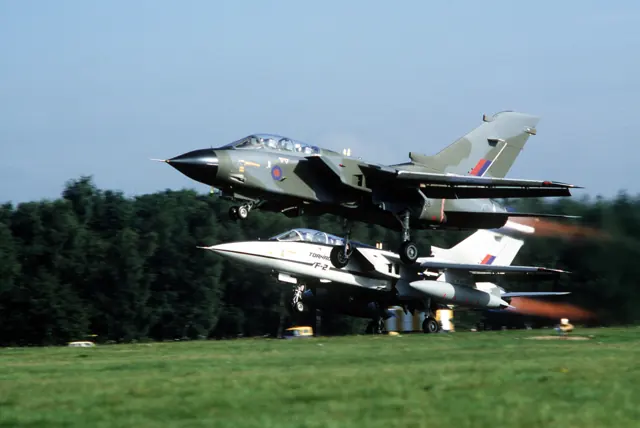
A European variable-sweep combat-aircraft family with distinct strike and interceptor versions.
A three-engine airliner that became a mainstay of Soviet and Russian passenger transport.
A two-seat naval fighter with variable-sweep wings and a cockpit built around pilot and radar-intercept officer roles.
A large twin-engine helicopter from the Super Puma line, used for offshore and public-service work.
A narrow-body twin developed as a new generation of medium-range airliner.
A Polish utility aircraft designed for short takeoffs and landings.
Mooney's four-seat piston family, developed through many touring-aircraft variants.
The second-generation Harrier, designed around vectored thrust and short-field operation.
A specialised reconnaissance aircraft designed for very high altitude and sustained supersonic flight.
This is AirframeDB’s first release. More features and aircraft research are planned. Leave your email if you’d like occasional updates.