X-Plane
Diamond DA42 Twin Star ↗
Diamond's four-seat light twin, developed with diesel-powered versions.
1 implementations+ Compare
Explore the aircraft. Find your simulator. Follow the sources.
Diamond's four-seat light twin, developed with diesel-powered versions.
A lightweight short-field aircraft with a specialised wing and tall, shock-absorbing landing gear.
A pressurised four-engine piston transport from the last major generation before the jet airliner.
A side-by-side two-seat sailplane with a retractable powerplant for self-launching.
A four-seat touring family whose Commander 114 added a larger engine and further refinements.
A 1920s flying boat with two engines arranged in tandem above the wing.
A hybrid-electric regional-airliner concept represented in the simulator while the real programme develops.
The second-generation Harrier, designed around vectored thrust and short-field operation.
The CJ4 belongs to Cessna's light-jet line, with two rear-mounted engines and a T-tail.
A large amphibious flying boat built around maritime rescue and utility transport.
SOCATA's touring-aircraft family, including the Tobago and Trinidad.
A personal jet with one engine above the rear fuselage and a distinctive V-tail.
A streamlined twin-engine helicopter with a Fenestron tail rotor and retractable landing gear.
A lightweight pusher family with an enclosed cabin and a high, braced wing.
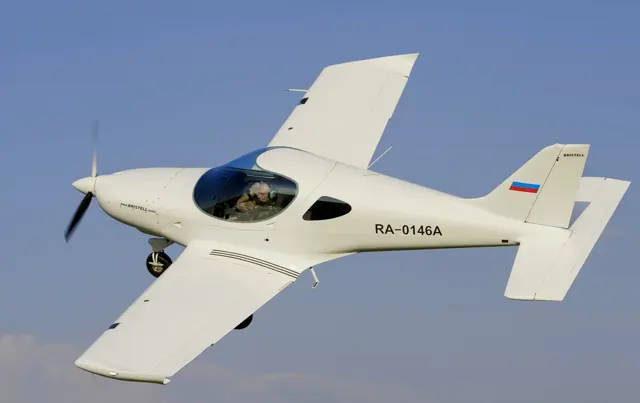
BRM Aero's two-seat B23, represented in MSFS by Airfoillabs.
A military transport developed from the DC-3, used for cargo, troops, parachuting and glider towing.
A twin-turboprop regional airliner developed through Swedish and American industrial cooperation.
A corrugated-metal, three-engine transport from the formative years of airline travel.
A rear-engined trijet built to bring jet service to shorter routes and smaller airports.
A radial-engined utility aircraft closely associated with bush flying and float operations.
A small twin-engine amphibian that moved from business transport into military and utility service.
A wooden touring-aircraft family recognisable by the upward-angled outer wing panels.
A regional turboprop family whose short early versions and larger Q400 have different proportions and systems.
A First World War trainer that became a familiar sight in the barnstorming era.
This is AirframeDB’s first release. More features and aircraft research are planned. Leave your email if you’d like occasional updates.