MSFS
Fairchild Republic A-10 Thunderbolt II ↗
A close-air-support aircraft with a straight wing, twin tail and two widely separated jet engines.
1 implementations+ Compare
Explore the aircraft. Find your simulator. Follow the sources.
A close-air-support aircraft with a straight wing, twin tail and two widely separated jet engines.
A six-engine flying boat created for long-distance passenger travel over water.
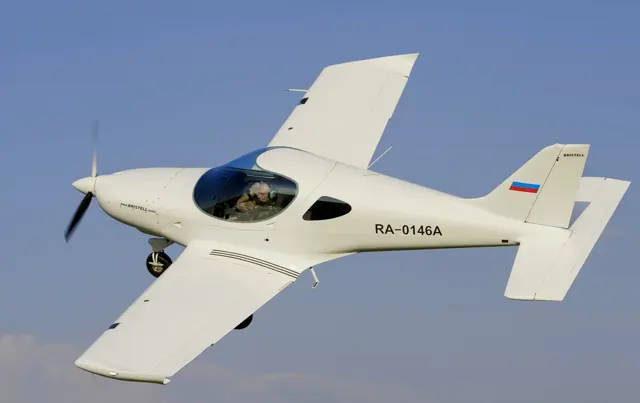
BRM Aero's two-seat B23, represented in MSFS by Airfoillabs.
A compact Italian light twin with a shoulder wing and metal airframe.
A single-seat aerobatic monoplane that also became a familiar air-racing aircraft.
A two-seat naval fighter with variable-sweep wings and a cockpit built around pilot and radar-intercept officer roles.
A heavy transport helicopter whose two large rotors remove the need for a tail rotor.
A 1920s transport family that developed from a single-engine airliner into a trimotor.
An advanced trainer known around the world as the Texan, Harvard and SNJ.
An enlarged Velocity kit aircraft with a canard and rear-mounted pusher propeller.
A twin-engine utility helicopter with roots in the BK 117 and EC145 families.
An unpowered military cargo glider designed to deliver troops and equipment behind a tow aircraft.
A light turbine helicopter combining an Alouette II airframe with more powerful Alouette III components.
A stretched development of the DC-9 with rear-mounted engines and a five-abreast cabin.
A DC-10-derived tanker that combined aerial refuelling with passenger and cargo transport.
A single-seat competition sailplane offered in Standard and 18-metre configurations.
A French two-seat aerobatic trainer with side-by-side seating and a distinctive curved wing outline.
A long-range twin whose programme emphasised composite construction and more electrically powered systems.
A swept-wing business jet designed around high subsonic cruise speed.
A narrow-body twin developed as a new generation of medium-range airliner.
A light tandem-seat taildragger built around the familiar braced high-wing layout.
A cabin biplane with the lower wing placed ahead of the upper one.
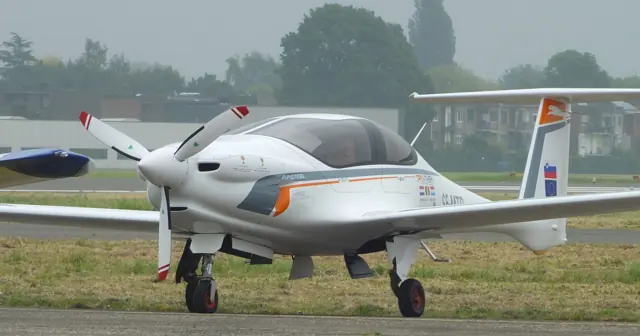
Pipistrel's streamlined four-seat composite-aircraft design.
A Canadian tandem-seat trainer developed after the Second World War.
This is AirframeDB’s first release. More features and aircraft research are planned. Leave your email if you’d like occasional updates.