MSFS
Grumman G-44 Widgeon ↗
Grumman’s small twin-engine amphibian: a flying boat with retractable wheels and a life spanning wartime service, private travel and seaplane training.
1 implementations+ Compare
Explore the aircraft. Find your simulator. Follow the sources.
Grumman’s small twin-engine amphibian: a flying boat with retractable wheels and a life spanning wartime service, private travel and seaplane training.
Beechcraft's Model 76, designed to introduce pilots to twin-engine flying.
A radial-engine trainer that also served in combat and civilian warbird roles.
A single-engine turboprop workhorse for passenger services, freight and remote-area transport.
An amphibious turboprop designed around scooping water and delivering it to fires.
A short-haul jet family that evolved through several generations of engines, wings and flight decks.
A short-field Savage with leading-edge slats and a distinct Got Friends simulator implementation.
A wooden touring-aircraft family recognisable by the upward-angled outer wing panels.
A Polish utility aircraft designed for short takeoffs and landings.
Diamond's four-seat light twin, developed with diesel-powered versions.
A streamlined twin-engine helicopter with a Fenestron tail rotor and retractable landing gear.
A two-seat Tecnam high-wing aircraft combining composite and metal construction.
A tailwheel utility aircraft with a high wing and a large cabin loading door.
The H130 utility helicopter, descended from the AS350 and fitted with a Fenestron.
A long-range twin whose programme emphasised composite construction and more electrically powered systems.
A twin-turboprop regional airliner developed through Swedish and American industrial cooperation.
A light amphibian with a hull, retractable wheels and a pusher propeller.
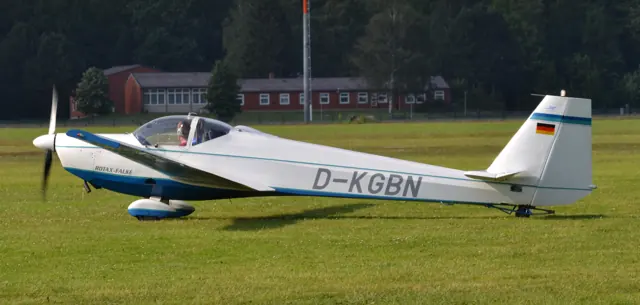
A side-by-side touring motorglider used for both powered flying and soaring.
A small twin-engine amphibian that moved from business transport into military and utility service.
A carbon-fibre aerobatic monoplane family with a dedicated air-racing branch.
The purpose-built Ryan monoplane used by Charles Lindbergh for his 1927 solo Atlantic crossing.
A single-seat aerobatic monoplane that also became a familiar air-racing aircraft.
A compact utility helicopter distinguished by its enclosed Fenestron tail rotor.
A compact two-seat light aircraft with a high wing and a wide range of development variants.
New aircraft, useful sources and improvements to AirframeDB. Occasional updates, when there’s something to share.