MSFS
Tecnam P2008 ↗
A two-seat Tecnam high-wing aircraft combining composite and metal construction.
1 implementations+ Compare
Explore the aircraft. Find your simulator. Follow the sources.
A two-seat Tecnam high-wing aircraft combining composite and metal construction.
A tandem two-seat sailplane family used for training and cross-country soaring.
A five-seat composite single whose development led to the diesel DA50 RG.
An Italian light aircraft known for military training and aerobatic use.
A long-range trijet developed from the DC-10 with a stretched fuselage and revised wing and cockpit.
A medium commercial helicopter designed for passenger and utility transport.
A four-engine military turboprop designed to combine tactical access with long-distance transport.
A compact rear-engined jet designed for short-haul regional airline work.
A three-engine airliner that became a mainstay of Soviet and Russian passenger transport.
The Mitchell medium bomber, named for aviation advocate Billy Mitchell.
Two related Dutch regional jets developed from the F28 lineage.
A stretched development of the DC-9 with rear-mounted engines and a five-abreast cabin.
A pressurised single-engine turboprop family that combines a compact cabin with retractable gear.
A wartime fighter developed from the earlier Curtiss P-36.
A light tandem-seat taildragger built around the familiar braced high-wing layout.
An enclosed-cabin development of the Bell 47, shaped for passenger and executive transport.
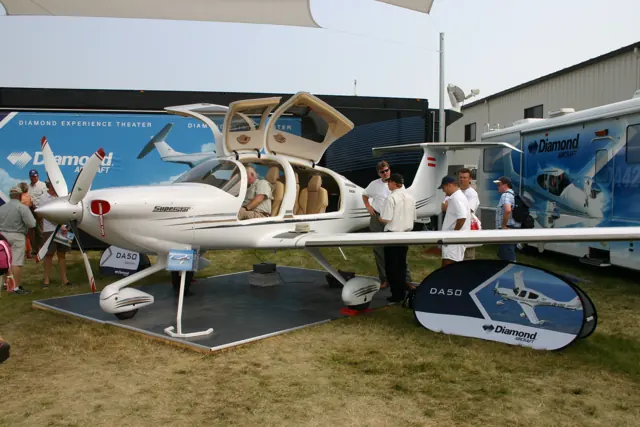
Diamond's four-seat light twin, developed with diesel-powered versions.
A utility piston twin designed for commuter and specialist transport missions.
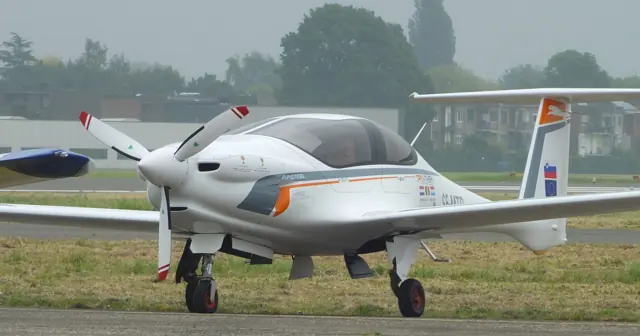
Pipistrel's streamlined four-seat composite-aircraft design.
A compact Czech touring aircraft with side-by-side seats and a streamlined low-wing airframe.
A box-shaped utility twin whose cabin and rear access are central to its design.
A four-engine Airbus wide-body developed in parallel with the A330.
A long-running touring single, familiar in both V-tail and conventional-tail forms.
A twin-turboprop family whose smaller conventional-tail and larger T-tail branches have distinct identities.
This is AirframeDB’s first release. More features and aircraft research are planned. Leave your email if you’d like occasional updates.