MSFS
Dornier Seastar ↗
A composite amphibian that carries Dornier's centreline engine arrangement into the turboprop era.
1 implementations+ Compare
Explore the aircraft. Find your simulator. Follow the sources.
A composite amphibian that carries Dornier's centreline engine arrangement into the turboprop era.
A simulator-designed very light jet using the Citation Mustang as a reference.
A modern composite twin with a roomy cabin and two wing-mounted piston engines.
A four-bladed utility helicopter developed from the LongRanger lineage.
A powered hang-glider wing above an amphibious inflatable boat.
A retractable-gear touring single with an all-metal airframe and a long-lived enthusiast following.
A cabin-class piston twin designed for commuter, cargo and utility work.
An electric-powered educational glider concept inspired by the human-powered MIT Daedalus 88.
The Huey: a turbine-powered utility helicopter with a broad cabin and an unmistakable two-bladed rotor.
Japan’s postwar regional turboprop, with Rolls-Royce Dart power and a career spanning passenger, freight and specialist government flying.
Grumman’s small twin-engine amphibian: a flying boat with retractable wheels and a life spanning wartime service, private travel and seaplane training.
The Wilga is the real-aircraft starting point for Mike Patey's DRACO and the simulator's DRACO X.
A single-seat helicopter originally developed as a homebuilt kit.
A late-war single-seat jet fighter with its engine mounted above the fuselage.
A high-wing twin turboprop developed for regional freight and passenger transport.
A large long-haul twin that introduced Boeing's first commercial fly-by-wire airliner flight controls.
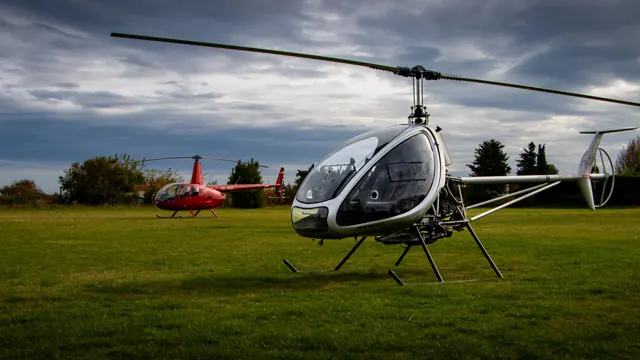
A Belgian light helicopter with two seats arranged side by side.
A low-wing agricultural Cessna with a cockpit and hopper arranged around the job.
A low-wing piston family that spans simple trainers, touring aircraft and retractable-gear Arrows.
A two-seat, twin-engine fighter that served naval and land-based air forces in many roles.
Airbus's first production aircraft, built around a twin-engine wide-body layout.
A 1920s transport family that developed from a single-engine airliner into a trimotor.
A wide-cabin business-jet family that developed from Canadair's original Challenger programme.
A simulated twin-turbine helicopter that explores no-tail-rotor anti-torque control.
This is AirframeDB’s first release. More features and aircraft research are planned. Leave your email if you’d like occasional updates.