MSFS
Westland Scout / Wasp ↗
A light turbine helicopter whose land-based Scout and naval Wasp branches served different jobs.
1 implementations+ Compare
Explore the aircraft. Find your simulator. Follow the sources.
A light turbine helicopter whose land-based Scout and naval Wasp branches served different jobs.
A tandem-seat jet trainer that also found a second life in civilian display and racing.
A box-shaped utility twin whose cabin and rear access are central to its design.
A light business jet with a swept wing, rear-mounted engines and an integrated flight deck.
A compact two-seat light aircraft with a high wing and a wide range of development variants.
A compact twin-engine helicopter widely used for medical, police and training work.
A twin-engine business jet designed to retain some of the utility flexibility associated with the PC-12.
A super-midsize business jet with a swept wing, rear-mounted engines and an integrated glass cockpit.
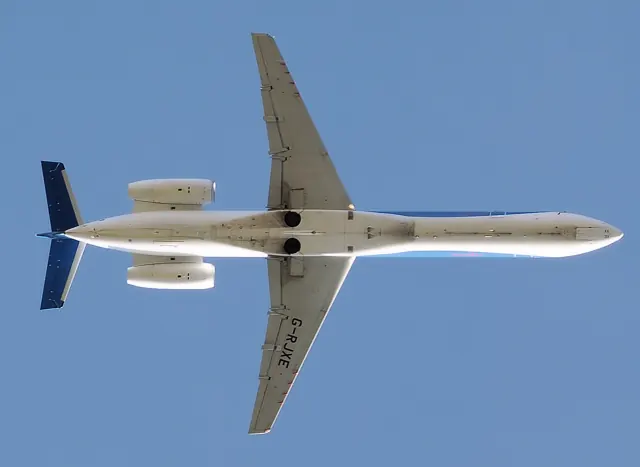
Embraer's regional-jet family, from the ERJ 135 to the longer ERJ 145.
A twin-aisle Boeing designed alongside the 757's generation of two-pilot flight decks.
A long-range strategic bomber with a swept wing and eight jet engines in paired pods.
An open, single-seat ultralight with its propeller behind the pilot.
A long-range twin whose programme emphasised composite construction and more electrically powered systems.
The Huey: a turbine-powered utility helicopter with a broad cabin and an unmistakable two-bladed rotor.
A tandem two-seat sailplane family used for training and cross-country soaring.
A streamlined light twin helicopter, with the later Bell 230 in the same family.
A medium commercial helicopter designed for passenger and utility transport.
A single-engine turboprop workhorse for passenger services, freight and remote-area transport.
A six-engine heavy transport created for exceptionally large external and internal loads.
A wooden touring-aircraft family recognisable by the upward-angled outer wing panels.
An enlarged Velocity kit aircraft with a canard and rear-mounted pusher propeller.
A twin-turboprop regional airliner developed through Swedish and American industrial cooperation.
A four-seat composite touring and training aircraft developed from Diamond's smaller two-seater.
The purpose-built Ryan monoplane used by Charles Lindbergh for his 1927 solo Atlantic crossing.
This is AirframeDB’s first release. More features and aircraft research are planned. Leave your email if you’d like occasional updates.