X-Plane
McDonnell Douglas MD-11 ↗
A long-range trijet developed from the DC-10 with a stretched fuselage and revised wing and cockpit.
1 implementations+ Compare
Explore the aircraft. Find your simulator. Follow the sources.
A long-range trijet developed from the DC-10 with a stretched fuselage and revised wing and cockpit.
An open, single-seat ultralight with its propeller behind the pilot.
A radial-engine trainer that also served in combat and civilian warbird roles.
A six-seat composite single turboprop with a pressurised cabin and retractable gear.
A two-seat composite kit aircraft developed from the Lancair 320.
A small observation-helicopter family with a rounded cabin and compact rotor system.
A wide-cabin business-jet family that developed from Canadair's original Challenger programme.
A wooden touring-aircraft family recognisable by the upward-angled outer wing panels.
A two-seat composite trainer with a low wing and a large canopy.
An advanced trainer known around the world as the Texan, Harvard and SNJ.
Avro's delta-wing bomber, developed for Britain's postwar strategic force.
Piper's two-seat trainer with fixed tricycle landing gear.
A high-wing utility aircraft known for short-field work and a broad choice of working configurations.
The second-generation Harrier, designed around vectored thrust and short-field operation.
Beechcraft's Model 76, designed to introduce pilots to twin-engine flying.
A very light twin jet developed from the Eclipse 500.
A medium commercial helicopter designed for passenger and utility transport.
A twin-turboprop family whose smaller conventional-tail and larger T-tail branches have distinct identities.
A four-engine Airbus wide-body developed in parallel with the A330.
SOCATA's touring-aircraft family, including the Tobago and Trinidad.
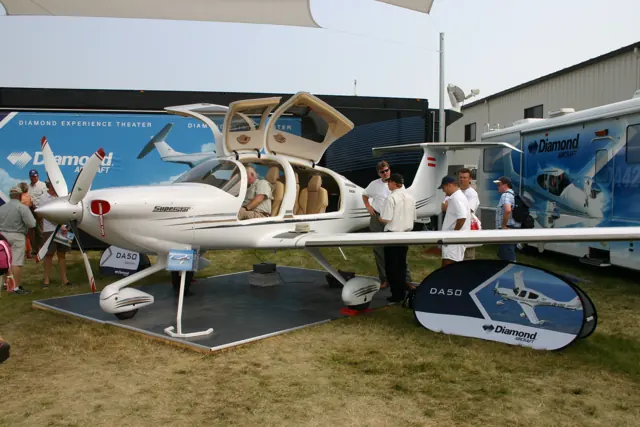
A five-seat composite single whose development led to the diesel DA50 RG.
Cessna's retractable-gear Centurion, a high-wing touring aircraft.
A pressurised single turboprop with a large cargo door and a broad range of working roles.
A four-seat high-wing single that spans generations of conventional instruments and glass cockpits.
This is AirframeDB’s first release. More features and aircraft research are planned. Leave your email if you’d like occasional updates.